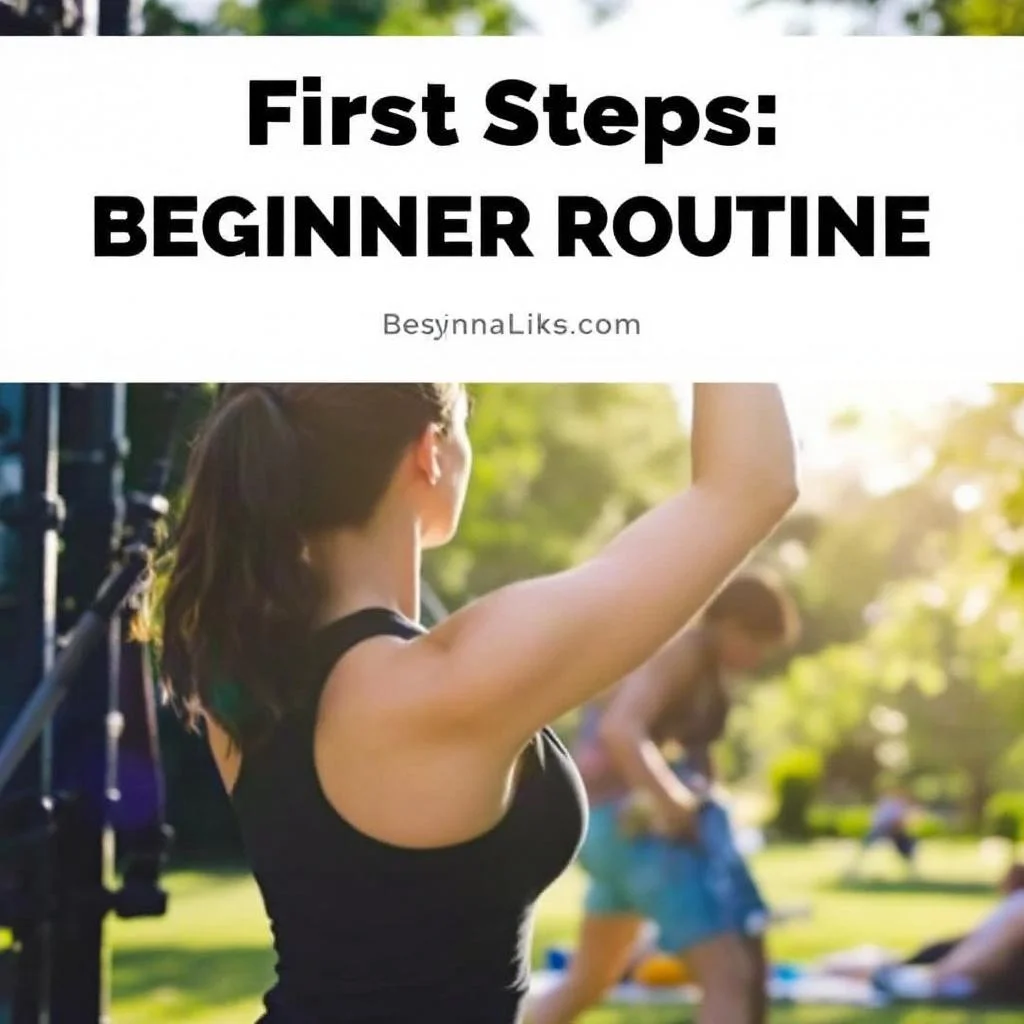
First Steps: The Beginner Routine

You don’t need racks of dumbbells or fancy machines to get a good workout. In fact, give yourself a bit of open floor, a dash of motivation, and you have everything required to reshape your body at home—no special gear or membership cards involved. With just your own weight as resistance, you can carve out strength, endurance, and stamina, anytime your schedule allows.
Why? Bodyweight exercises tap into multiple muscle groups at once, demand strong core engagement, and burn fat while you build muscle. It isn’t about having hours to kill or liking the gym; it’s about making any corner of your home a launchpad for progress.
This guide collects thirty foundational movements. They’re arranged progressively—beginner, intermediate, advanced—so you can meet yourself where you are, adapt as you grow, and always find a new edge of challenge. Let’s walk through these layers and see how you can construct an efficient, concise, and satisfying workout from scratch.
If you’re new, don’t worry—these ten core exercises wake up the whole body, build stability, and prep joints for harder work down the road. Fit this into a 15–20 minute window: work for 10–15 reps per move, two circuits total, taking up to a minute rest between rounds.
- Bridge: Lie on your back, knees bent, feet grounded. Press your pelvis upward, squeezing your glutes at the summit, then slowly lower. A classic way to fire up your backside and prime the core.
- Chair Squat: Stand with a chair behind. Lower carefully until your hips barely brush the seat, arms stretched ahead. Focus on keeping knees over toes, then drive up.
- Knee Pushup: From a plank with knees down, lower your torso in a controlled motion, elbows in line with shoulders, then push back up. This is the first rung on the pushup ladder.
- Stationary Lunge: Take a generous step forward, lowering the back knee toward the floor, front knee above ankle. Power up through the front foot. Repeat on both sides.
- Plank to Downward Dog: Begin in a tight, high plank. Raise your hips, pushing back into an inverted V, stretching the shoulders and calves. Pause, then ease forward to plank once more.
- Straight-leg Donkey Kick: On hands and knees, press one leg straight back, flexing the foot and squeezing glutes at the top. Careful not to tip sideways.
- Bird Dog: Still on all fours, stretch your left arm and right leg out long, then swap sides. Keep your trunk stable, resisting any wobble.
- Forearm Plank: Prop yourself onto your elbows, body in a single line from head to heels. Hold static, drawing strength up from the core.
- Side-lying Hip Abduction: On your side, legs extended, lift the top leg without rolling hips backward. Drop, then repeat, then switch.
- Bicycle Crunch: Lying back, legs lifted. Twist torso, bringing opposite elbow toward the rising knee as the other leg shoots out. Alternate, building speed as you grow more coordinated.
Ratcheting Up: Intermediate Moves
Built a base? Ready for more? Add complexity and time under tension. Continue the 2×10–15 rep structure, or, if you’re chasing a higher burn, try one minute per move and loop the sequence.
Here, you’ll walk, hop, and balance—always favoring form over brute repetition.
- Bridged March: Press feet down from a bridge, alternately raising one foot at a time. Maintain hips high.
- Full Squat: Remove the safety of the chair. Sit back, chest up, hips deep. Rise powerfully.
- Traditional Pushup: Now from plank on toes. Maintain alignment, elbows flaring at a gentle angle.
- Forward-Backward Lunge: Step ahead into a lunge, then swing the same leg back, returning through center each time.
- Pike Pushups: In a Downward Dog shape, bend elbows out, lowering crown downward, then fire back up.
- Kneeling Squat: Drop knees to the floor then plant feet again—all without standing upright in between. This move smokes legs and glutes.
- Superman: Face down, arms and legs long. Arch up, arms and thighs flying above the floor, holding briefly.
- Plank with Leg Lift: In plank, alternate raising each leg. Keep hips stable.
- Kneeling Side Plank with Leg Lift: From a bent-knee side plank, lift the top leg. Repeat both sides.
- Dead Bug: Lying back, arms skyward, legs at tabletop—lower opposite arm and leg, then switch, always keeping the back pressed down.
The Top Tier: Advanced Bodyweight Challenges
When basics and intermediates start to feel light, it’s time to up the ante. These drills are demanding—apt for when you want to test your strength, power, and balance to the max. Two rounds of 10–15 reps apiece, or a single tough set through before a longer rest.
- Single-Leg Bridge with Leg Extended: While bridging, extend one leg straight out, reaching through the heel, hips high and square. Alternate.
- Overhead Squat: Arms straight overhead as you squat. This not only works the legs but is a battle for core and shoulder mobility.
- One-Leg Pushup: Perform a pushup balancing only three points—one foot floats in the air.
- Jumping Lunges: Each time you switch legs in the lunge, blast upward, exploding off the floor. Pace yourself—these bring instant burn.
- Elevated Pike Pushups: Feet on bench or step, hands down, body piked. Lower head toward floor, arms doing the work.
- Kneeling Squat with Jump: Instead of stepping up from a kneel, explode into a jump, landing softly.
- Advanced Bird Dog (Plank Version): From a high plank, raise opposite arm and leg, spine long.
- One-Leg Forearm Plank: Hold a forearm plank with a leg hovering, then swap.
- Side Plank with Hip Abduction: Balance on foot and forearm, lift top leg in control.
- Hollow Hold to Jackknife: Supine with arms overhead, arms and legs hovering—snap together, hands reaching toes, then return to hover, taut as a bow.
Questions, Answers, and a Few Realities
Is a 20-minute home session enough?
Any exercise is better than none, but for full health benefits, the American standard is 150 minutes a week of moderate activity or half that time spent working intensely. These routines get you started; goals like weight loss may need more time—or dietary adjustments, too.
Can home workouts actually build strength?
What burns belly fat?
You can’t ‘spot reduce’—targeting belly fat directly doesn’t work. Cardio and full-body strength moves, paired with a healthy calorie deficit, gradually chip away at those stubborn reserves.
The Takeaway
Bodyweight workouts, whether five pushups in the morning or a 30-move sweat-fest, fit any schedule, any level. Start where you are, stay patient, and as the weeks roll by, you’ll be amazed at how your body adapts. Test yourself. Get creative. Most importantly, keep moving.
Make it a Month: 30 Days, All Winter
Short on daylight or motivation? Try squeezing a round of squats, some slow pushups, or a yoga flow into even the busiest day. You don’t need equipment. Just show up for yourself, one rep after another, and watch the transformation unfold.