Heart-Smart Grocery Shopping Tips
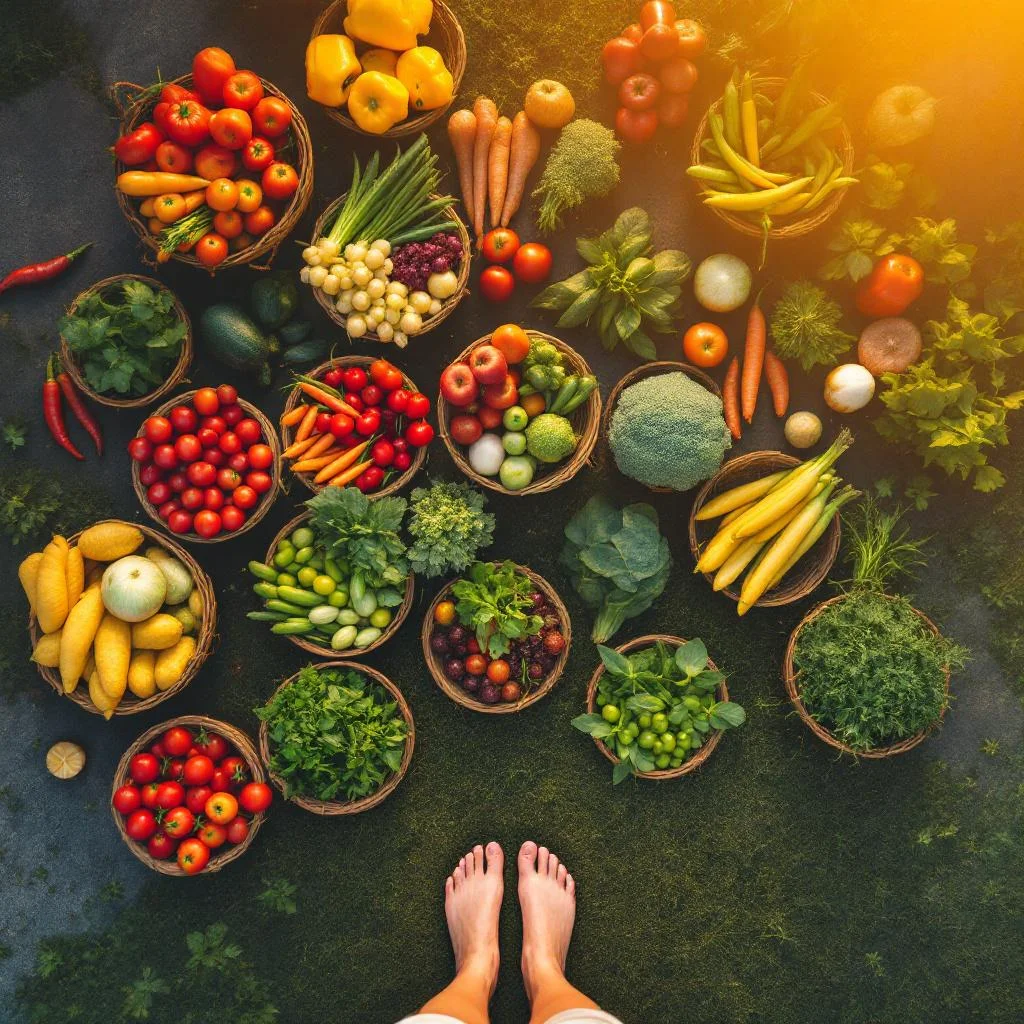
Trying to shift your family’s habits toward healthier eating can feel overwhelming. Instead of overhauling everything at once, why not add one new idea every day? Small changes are the quiet builders of lasting routines.
Start with this: invite your kids to explore produce with you. Wander the aisles together, let them choose a fruit or a vegetable they’ve never tasted. Brainstorm how you might prepare it—maybe roasting, maybe eating it raw. Turn “Try it!” into a shared adventure, not a chore.
Whole grains deserve top billing in your pantry. When you’re at the supermarket, check ingredient lists—does “whole grain” show up first? Seek out breads, pastas, even the humble cracker with at least ten percent daily fiber in each serving. These grainy swaps blend easily into meals, often unnoticed.
Don’t fear fat, but pick your friends wisely. Leave the butter and lard behind. Instead, reach for oils that stay liquid at room temperature—think olive, canola, or sunflower. These not only avoid the dangers of trans fat, they’re kinder to your heart.
Children notice everything—including what you put on your own plate. Be the example you wish they’d follow. Munch on those vegetables openly, treat a big salad as a celebration. Show them, meal after meal, what eating well really looks like.
When you shop, flip products over and decode the Nutrition Facts. Look for fiber, vitamins, and essential minerals. Shy away from sodium overloads and sneaky added sugar. And train yourself to spot the portion trick: serving sizes can be smaller than you’d guess.
The American Heart Association’s Heart-Check mark can speed up your decision-making—when in doubt, that little icon is a solid guidepost.
Cooking at home gives you something restaurants never can: control. You choose the recipe, the salt, the serving size. Make the kitchen a family project. Even little hands can wash greens or stir batter. A small step-stool and a sense of adventure go further than you’d think.
Snacking gets a bad reputation, but it doesn’t have to sabotage you. Pre-wash grapes, slice bell peppers, keep cherry tomatoes at eye level in the fridge. If healthy options are ready and within reach, the whole family is far more likely to grab them.
Add fish to your weekly lineup, especially oily varieties—salmon, trout, mackerel, tuna. Their omega-3s are a gift to your heart. Aim to serve fish twice a week. For variety, search for easy recipes: roasted fillets or a zesty seafood salad.
Nuts and seeds, too, are nutrient powerhouses—if you go unsalted. A handful of almonds, pistachios, or walnuts delivers crunch and protein. Toss them into oatmeal, sprinkle across salads, or stir into plain yogurt.
Fresh, canned, and frozen fruits and vegetables all bring benefits. Fresh is great, but don’t discount the simplicity of low-sodium canned green beans or frozen peas without sauces. Watch the labels: look for “no salt added” or “no sugar added” versions.

Flavor shouldn’t come from a salt shaker alone. Fill your spice drawer with fragrant herbs—basil, parsley, cumin, curry, chili flakes. A squirt of lemon or a dash of ginger instantly awakens tired dishes.
Packing lunch gives you the power to skip greasy takeout or cafeteria mysteries. Build hearty sandwiches with whole-wheat bread, lean proteins, crisp lettuce, and tomato. Try leftover roasted veggies in pita, or pack protein-packed salads dotted with beans and nuts. Stash fruit, yogurt, and snack-size veggies for mid-day munchies.
Experiment with how you prepare vegetables. Roasting can coax sweetness from Brussels sprouts or carrots, while grilling gives zucchini or corn a smokiness you never find with boiling. If steamed broccoli isn’t popular, try it roasted and see what happens.
Trade sugar-laden drinks for seltzer, unsweetened teas, or water with citrus slices. Berries tossed in can make water feel like a treat.
Craving sweets? Let fruit do the work: baked apples with cinnamon, or a bowl of ripe cherries. You’ll skip added sugar but keep the dessert ritual.
Let kids grow their own food, even if it’s just cress seeds on a windowsill. When they nurture something from seed to snack, they just might be more inclined to taste it.
Schedule a little time to map out your meals. List your groceries, file away good recipes, and keep coupons handy. The more you plan, the less likely you are to make choices you’ll regret.
Frozen or canned fish and poultry, when chosen wisely, make for quick, healthy meals on hectic days. Compare labels and opt for low-sodium, water-packed versions.
Challenge yourself to cook a meatless dinner once a week. Try lentil stew, veggie lasagna, or black bean tacos. Nuts, beans, and seeds bring heft and flavor, no meat required.
Want lasting change? Speak up—ask for better food in your kids’ schools, support community gardens, let officials know health matters.
Healthy eating can fit any budget. Beans, rice, and seasonal produce fill plates without emptying wallets.
Above all, tune into sugar: desserts and sodas are occasional treats, not daily standards. For fun, make “funny face” plates with fruit and vegetables—let your child invent their own edible characters.
Color is your friend. At restaurants, search out bright side salads or swap fries for steamed vegetables. When you sit down together—even if it’s just for one meal a week—everyone reconnects.
Finally, put good choices right on the bottom shelf. When apples, carrot sticks, and whole grain snacks are easy to reach, healthy habits become second nature—even for the smallest hands in the house.