What is Meditation, Really?

Set aside everything for a moment. You’re about to discover meditation not as a theory, but as a quiet, living act—something woven into the texture of an ordinary day. What follows is a plainspoken, human guide to why meditation matters, how to actually do it, and how even a few everyday minutes can change what it’s like to be in your own skin.
Let’s get clear: meditation isn’t a parade of gurus and incense. At its heart, it’s the simple but radical choice to pay attention—to the breath, bodily sensations, or even just to what’s happening right now. This is not about emptying your head or escaping reality. It’s about coming home to yourself, with both feet on the floor.
If you’re brand new to all this, know that you don’t need any special skills or accessories. The path starts with five minutes, a quiet corner, and a willingness to try. Download a free app if you want guided sessions, or simply keep reading for a map you can use anytime, anywhere.
What is Meditation, Really?
Strip away the mystique, and meditation is just training your mind to rest on one thing—most often, the breath. You notice the breath drifting in, slow and quiet, and you watch it slip away again. Your mind, of course, rebels. Restless thoughts swing in like vines: things to do, noises, stray worries. That’s natural. The trick is to catch yourself, kindly, and bring your focus back. Again. And again.
Over time, this returning becomes the heart of the work. Renowned teacher Sharon Salzberg phrased it bluntly after her first day of meditation: “I thought I’d get to eight hundred breaths before my mind wandered off, but it was just one. Then—gone.” That’s everyone’s story, and it’s okay.
So, Why Meditate?
Life comes at us fast. Meditation isn’t a cure-all, but sometimes what you truly need is just a little space—a pause between the world’s noise and your own reaction. In that gap, you can make a better choice. For yourself, for your family, for the lives you touch.
That’s not all. Meditating regularly can actually smooth out tension before it knots, spark more patience, and leave you sleeping easier at night. It softens the abrasive edge of stress and sharpens your attention. Studies show it also lifts your mood, strengthens immunity, and helps you build a tough, flexible resilience for tough days.
But the biggest benefit? It lets you meet yourself honestly. Mindfulness helps you notice your pain, both physical and emotional. This awareness isn’t always comfortable, but it can guide you to act with more understanding and compassion—toward yourself and others.
How to Start—a Down-to-Earth Approach
Ready? Here’s how to begin:
- Find a spot, any spot, where you won’t be interrupted. Chair, cushion, crouched by a window—it doesn’t matter.
- Set a timer. Five or ten minutes is enough to start.
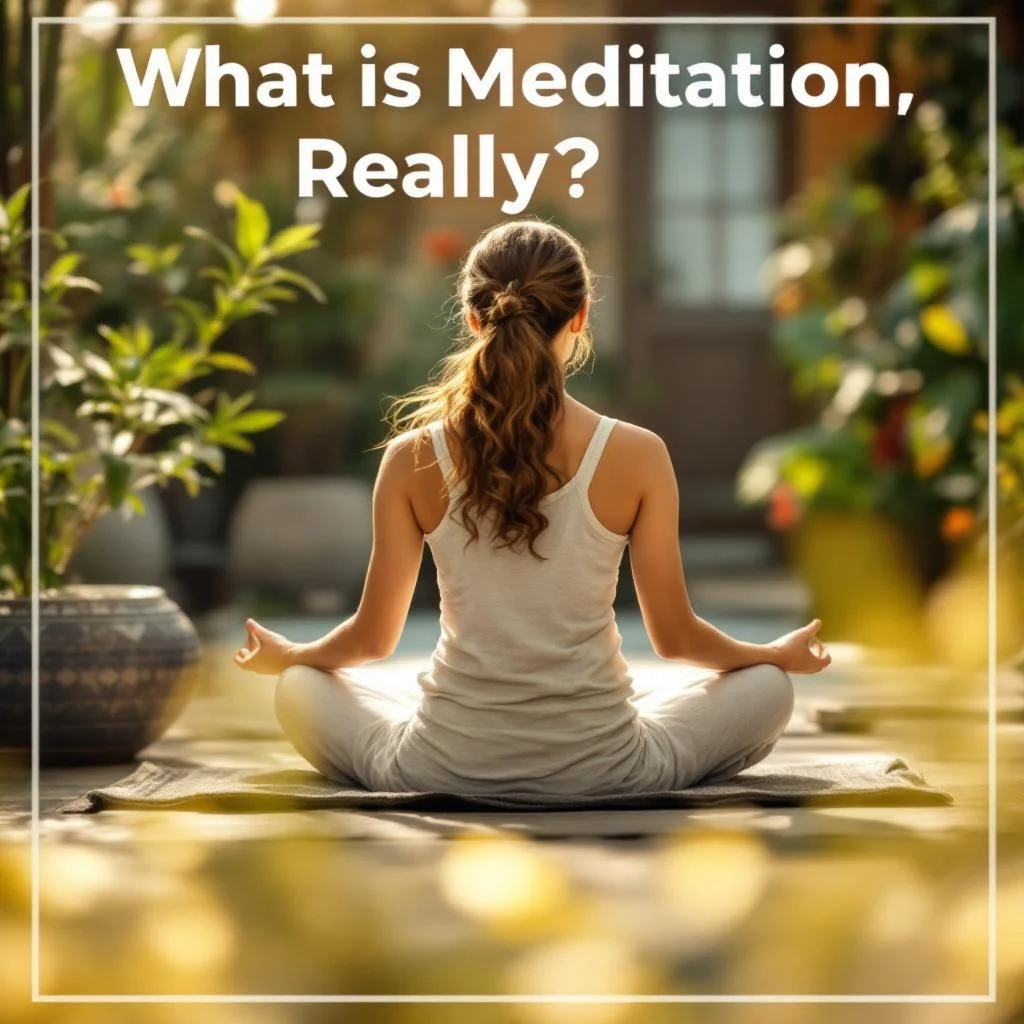
- Sit comfortably. Uncross your feet, settle your hands. Let your body relax, but feel your own weight pressing into the seat or floor.
- Close your eyes if that helps, or simply lower your gaze. Bring your attention gently to your breath—feel it arrive, leave, arrive again.
- Inevitably, your mind will dart or wander. That’s expected. When you notice you’re “gone”—in thought or sensation—just invite your focus back.
- Don’t blame yourself. No need for harshness. Each return is the practice.
- When you’re done, open your eyes if they were closed. Listen for sounds around you, notice how your body feels, take stock of your emotional weather.
That’s all. It’s simple, but not always easy—and that’s the point. What matters most is that you keep showing up.
Making Mindfulness a Habit
We live mostly on autopilot. Habits steer us, and even the most brilliant intentions get drowned out by routine. Mindfulness practice is like switching off cruise control, teaching you to steer, even for a few conscious minutes.
To outsmart the old patterns, set reminders—a favorite mug, a folded note, an alarm that nudges you to pause and breathe. Refresh them when they fade to background noise. Invent little rituals: “If the kettle is boiling, I take three mindful breaths.” “If the phone rings, I pause before answering.” Each tiny act draws you back to the present.
The Mind’s Constant Chatter
During meditation, you’ll see just how wild and noisy your mind can be. You plan, rehearse, recall regrets, invent worries. None of it is wrong, but meditation teaches you to recognize this running commentary for what it is—just thoughts. You don’t have to be swept away.
Even two minutes of stillness can reveal how fast your thoughts race. Noticing is progress. Each return to the breath, each small act of presence, is you reclaiming your own attention.
Short Guided Meditations
If silence feels intimidating, guided meditations can help. Short, clear audio sessions offer company and cues, walking you through even the busiest mental storms. Try sitting for one minute, then extend to five or ten. See what changes over a month. Don’t expect magic—notice the gradual shifts: a softer mood, steadier nerves, a slight ease in your day.
Above all, meditation is a human practice. It asks only that you pause, breathe, and meet yourself as you are—right here, right now, with simple awareness and a little kindness. Everything else will follow.