Exploring the Plant-Centric Lifestyle
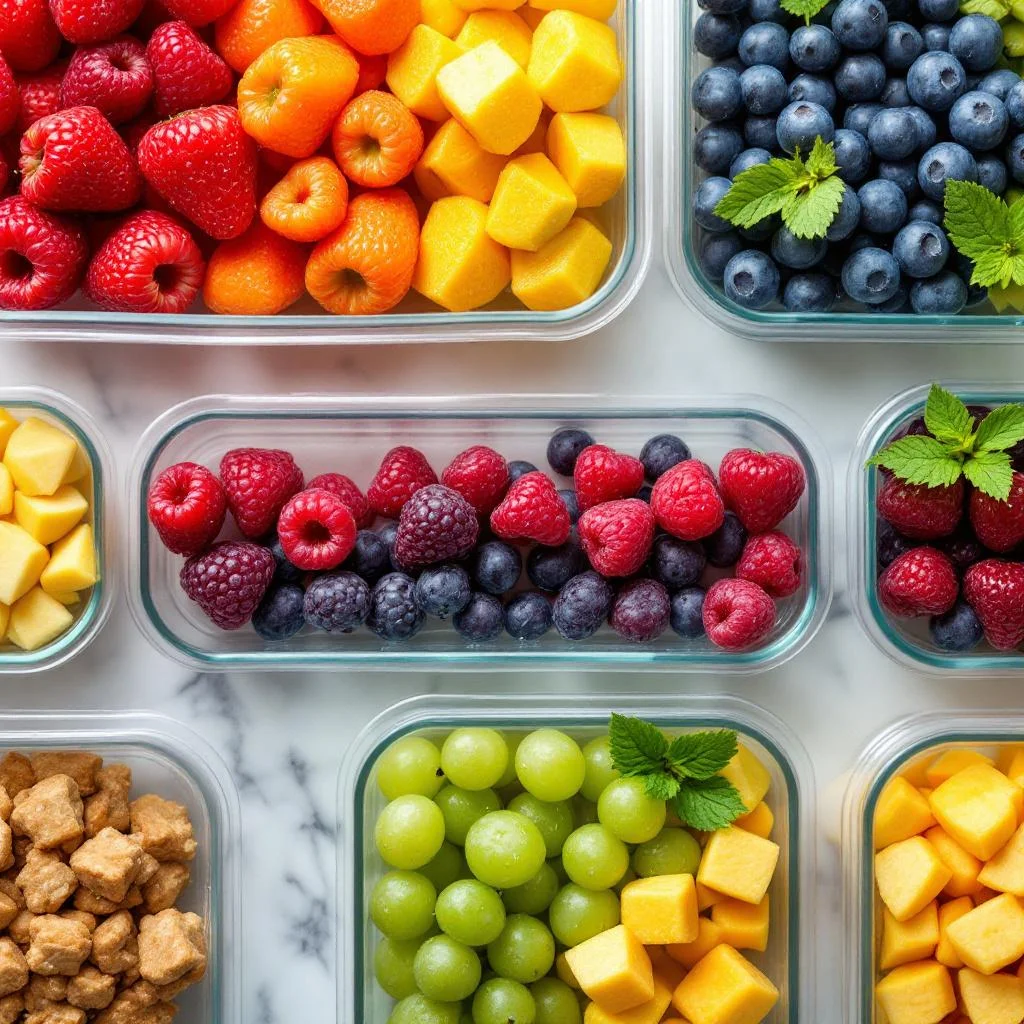
If you’ve ever thought about cutting back on meat—or ditching it altogether—the health advantages are hard to ignore. People who eat less meat tend to enjoy a reduced risk of chronic diseases, and often feel lighter, more energetic, and simply… better.
Let’s start with the facts. Meat—especially red and processed varieties—is often brimming with cholesterol and saturated fats, two chief culprits behind heart trouble. Then there’s the sodium and stealthy additives lurking in deli slices, bacon, and sausages, making them less than ideal for anyone who cares about longevity. That doesn’t mean you need to swear off meat forever, but if you’re reaching for the steak, pick the leanest cut. Better yet, spread out your sources of protein. Swap in skinless poultry, seafood, or fish now and then. Beans, nuts, lentils, and the intoxicating world of legumes—don’t underestimate their power. These foods are gentle on the arteries and packed with nutrients your body will thank you for.
If you’re flirting with a more plant-centric lifestyle, there’s no one single way to do it. Each path has its own bends and quirks.
The vegan way is strict: it’s plants or nothing. No meat, no fish or seafood, not a trace of dairy or eggs, and forget about honey—if it even hints at coming from an animal, it’s out.
Vegetarians take a slightly broader approach; while meat and fish are off the table, eggs and dairy still make the cut.
The flexitarian style is more relaxed, keeping meat and fish as rare treats rather than everyday fare, but the spotlight still shines on fruits, veggies, and grains.
And there’s plant-based eating—less of a rigid rulebook, more of a guide. Here, most meals center on plant foods, but the occasional inclusion of meat isn’t off-limits.
Now, there’s a misunderstanding worth clearing up: cutting meat doesn’t mean you’ll wither away from protein deficiency. In reality, most people—even the die-hard meat lovers—tend to get more protein than their bodies actually require. Plants, contrary to popular belief, are brimming with protein. Tofu and edamame offer it in abundance, as do quinoa, sorghum, chickpeas, and the humble lentil. Beans of every color and shape are another robust option. Vegetables contribute, too—try artichokes, broccoli, Brussels sprouts, spinach, sweet potatoes, and corn. Even a leafy bowl of collards or turnip greens brings protein to the party. Here’s a little-known secret: every plant you eat contains at least some protein. The more varied your plant intake, the higher your overall protein consumption climbs—without even trying.
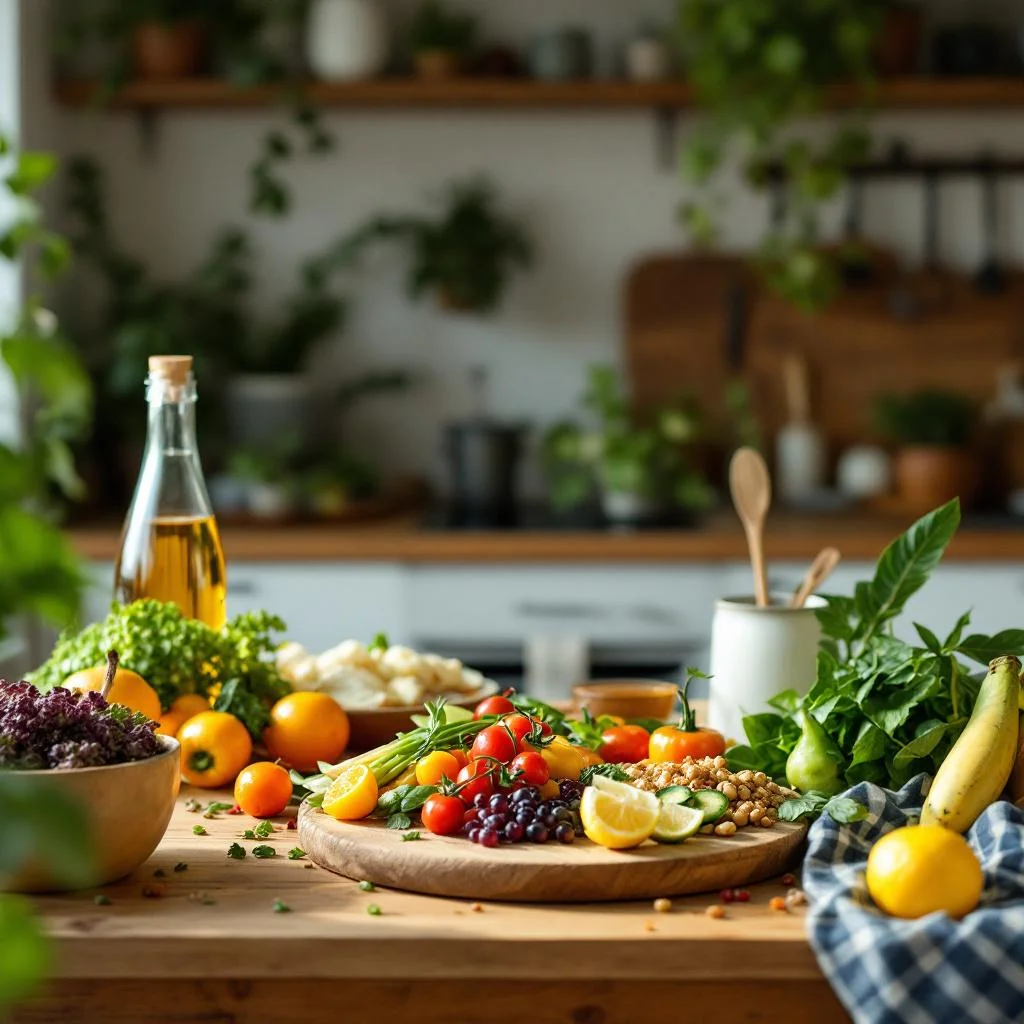
But here’s the catch: not all plant-centric diets guarantee good health. If you simply swap meat for heavily processed, sodium-rich “vegan” burgers and fries, your body won’t thank you. These processed options often mimic the pitfalls of regular junk food. Instead, pivot toward real, whole ingredients. Research has made the connection clear—filling your plate with vegetables, fruits, whole grains, beans, legumes, and nuts correlates with a lower likelihood of cardiovascular trouble. Even if your past was a parade of fast food and questionable choices, each new serving of fresh, plant-based food helps tip the scales toward better health.
What about starting out? It’s not as daunting as it might sound. Begin small. Try hunting down a handful of vegetarian recipes that catch your eye or soothe your appetite. When you plan meals, focus on ingredients and flavors your family already loves. There’s power in the familiar.
Dip your toes in with a “meatless Monday”—just one day a week when veggies take center stage. Once that feels normal, add another day. Bit by bit, you’ll discover meals you crave that don’t revolve around a slab of meat. Over time, this new way of eating can transform not just your meals, but your sense of well-being—and maybe even your future health. Change doesn’t need to be dramatic. Sometimes, all it takes is giving plants a chance to shine.