A Dietitian Guide to Smarter Snacking
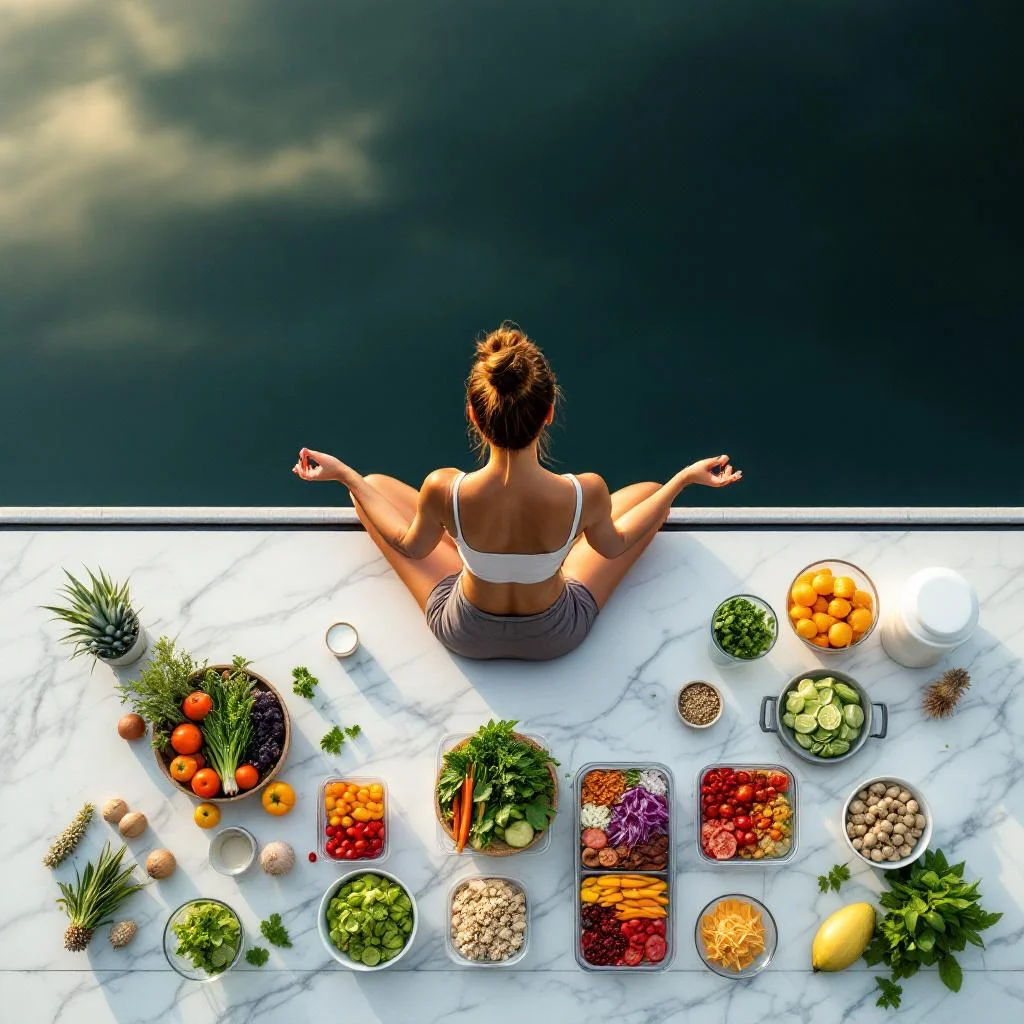
Pause and consider this: nearly a third of the calories you eat each day don’t come from your main meals, but from the handfuls, nibbles, and bites you call “snacks.” That grab-and-go morsel matters more than you might think. Snack well, and your body thrives between meals. Fall into a routine of sugary or salty indulgence, and you’ll feel sluggish, hungrier later, perhaps even edging towards long-term health risks you never signed up for.
So, what makes a snack something your body will thank you for? The formula’s refreshingly simple: reach for snacks built around real, whole foods—think colorful vegetables, crunchy fruit, a scoop of creamy yogurt, a handful of nuts. These aren’t just tidbits that curb an afternoon craving; they genuinely nourish, filling you up while fueling you steadily.
If you stroll through a supermarket, bright packages of chips, candies, pastries, and cookies compete for your attention. They’re tempting, quick, and everywhere. But treats like these should remain exactly that—occasional treats, not your daily fallback. Everyday reliance on processed snacks, loaded with sugar and salt, can quietly drive weight gain and, research reminds us, significantly raise your risk for various forms of cancer.
A healthier approach isn’t about denying pleasure – it’s about making mindful swaps. Instead of another processed bar or bag, try grabbing a yogurt bowl with fruit, crisp veggie sticks with hummus, or simply some nuts mixed with dried berries. Each bite sneaks in nutrients, protein, and fiber—the very things that keep you satisfied and energized until your next meal.
But how do you actually do this, meal after meal, in a way that doesn’t bore you? The answer—borrow from the best. Registered dietitians, whose careers revolve around balanced nutrition, don’t settle for dull snacks. Their secret: combine protein with produce for staying power and a burst of flavor.
Registered dietitian Bridget Reiter puts it simply: “Protein plus produce in your snack—it never fails.” Think creamy ricotta on sliced peaches. Or sharp cheddar atop apple wedges. An odd pairing? Maybe. But taste it once, and you’ll be surprised. The interplay between the sweet snap of fruit and the richness of dairy or nuts is pure satisfaction.
Drawing from dozens of dietitians, here are a few top picks, ranging from classic comforts to inventive new twists:
- Greek yogurt layered with crisp granola and juicy berries.
- Toasted corn tortillas spread with refried beans and a sprinkle of melted cheddar.
- Cottage cheese topped with salsa, avocado, pumpkin seeds—a savory dream.
- Diced apples plunged in whipped cottage cheese with sunflower seeds for crunch.
- Hard-boiled eggs dusted with everything bagel seasoning, served alongside cucumber slices.
- Cherry tomatoes and mozzarella pearls, fresh and bright, finished with a dash of balsamic vinegar.
You’ll notice a pattern—each snack champions protein (yogurt, cheese, eggs, beans) and fiber (fruit, veg, seeds), the perfect pairing for lasting fullness. Many of these options can also be fully plant-based, drawing from chickpeas, beans, seeds, crisp veggies, and sweet fruits.
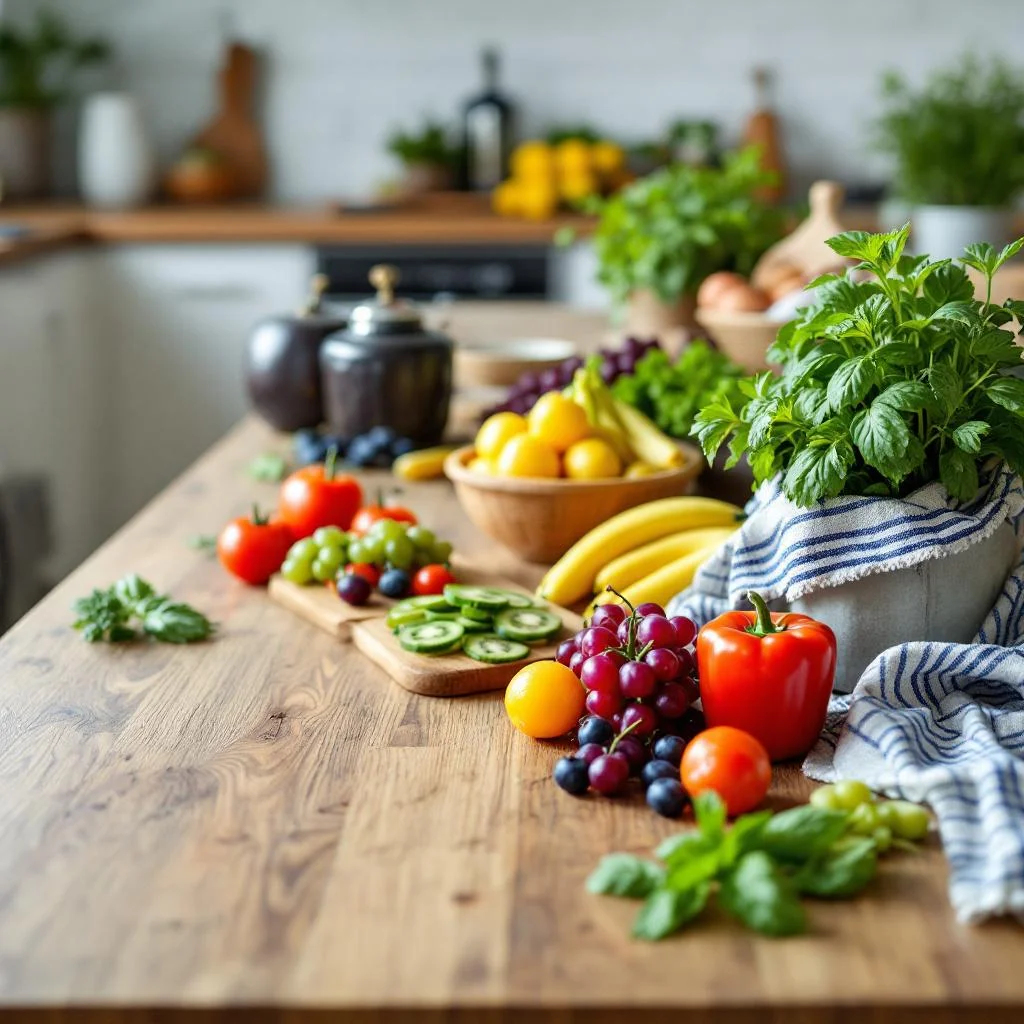
Plant-based snacks might look like:
- Air-popped popcorn tossed with herbs and roasted chickpeas.
- Cucumber sticks dipped in hummus.
- Chopped dates or figs with roasted almonds.
- Homemade trail mix, combining popcorn, roasted beans, and crunchy walnuts.
Eating plant-rich is more than a trend. For almost two decades, the American Institute for Cancer Research (AICR) has urged Americans to fill two-thirds of their plates with plant foods: vibrant vegetables, sweet fruits, hearty grains, and legumes. Proteins—fish, chicken, or even red meat—should be the side, not the star.
But eating well doesn’t have to mean eating boring. Play with your food—a crisp stalk of celery thick with peanut butter and dotted with plump raisins (“ants on a log”) isn’t just for kids. Imagine slicing bananas, smearing them with peanut butter, then popping the lot in the freezer for a cold, creamy bite.
The best snacks are versatile and crave-worthy. Spread almond butter atop a warm, whole-grain waffle and tumble raspberries over it. Blend cottage cheese with cocoa and a few soft dates for a rich, chocolatey dip. Pair with apple slices or spoon straight from the bowl.
There’s one last thing worth noting: even the darndest healthy munching can trip you up if you go overboard. Most nutrient-dense snacks land between 150 and 250 calories. Stick to one or two snacks a day, listening to your hunger cues, and leave room for your actual meals. Too many, or portions that creep up, can cancel out good intentions.
When in doubt, consult a registered dietitian. They’ll help tailor your snacking habits to your unique needs, goals, and health concerns.
The AICR continues to illuminate the crucial ties between diet, daily choices, and disease risk. Better snacks, enjoyed mindfully, are just one way to nourish both body and spirit, every single day.