Beginner Guide to Healthy Meal Prep
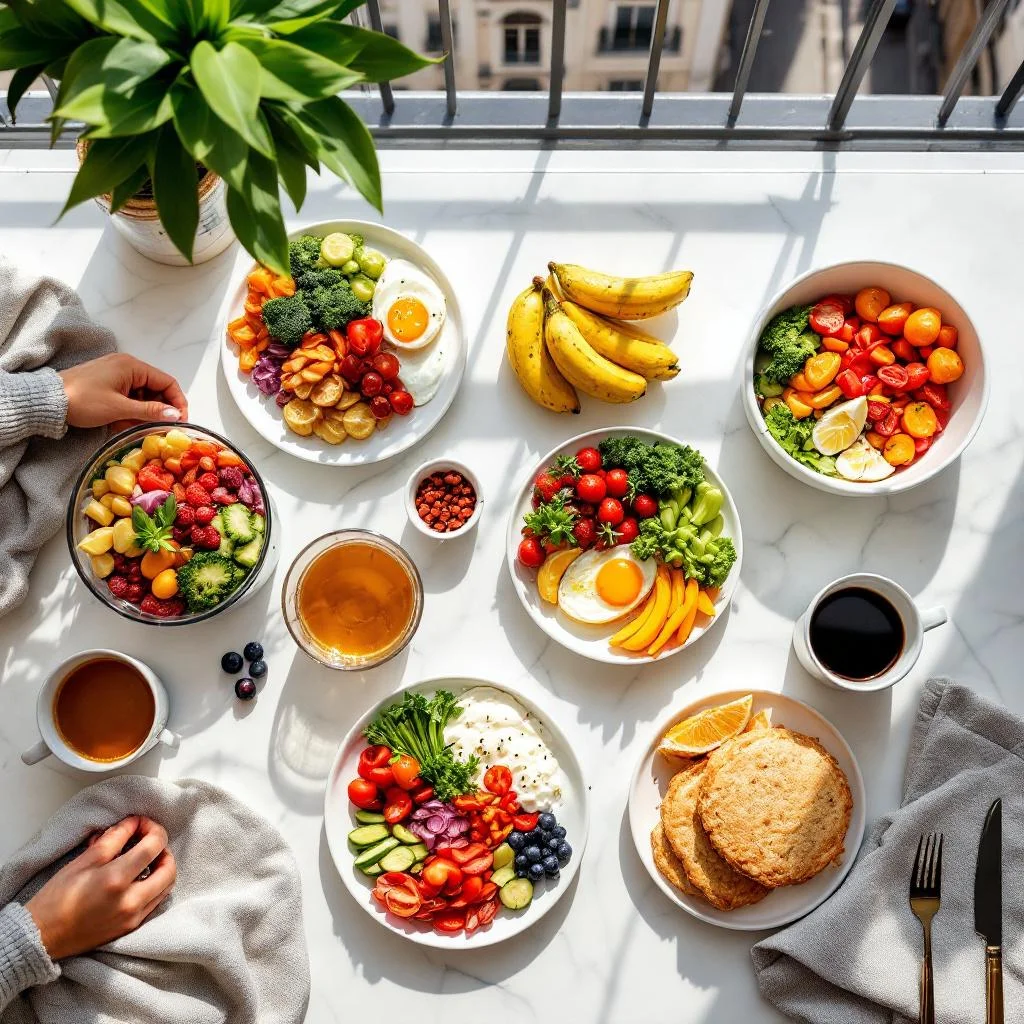
If you find yourself swearing off home-cooked meals by midweek, you’re far from alone. Maintaining a wholesome diet amid life’s chaos can slip through your fingers before you notice. Dinners at home transform from good intentions to takeout bags cluttering the counter, all before Thursday’s even arrived.
But here’s the unsung secret of health-conscious folks everywhere: meal prepping. Not as some bland, dreary ritual with joyless containers of broccoli and chicken, but as a small act of self-care—one that frees up time, lowers stress, and might even save a few dollars. Registered dietitian Elyse Homan calls it a “game changer” for those looking to eat better without panic or decision fatigue. The fridge isn’t a battleground anymore; it’s a friend, ready to offer something nourishing whenever you ask.
Why bother with meal prep?
Let’s cut to the chase: prepping meals in advance means less scrambling during the week and a higher chance of eating food that actually fuels you. A few hours of effort turn into days of convenience.
First, you get the gift of time. Instead of nightly culinary gymnastics, you reclaim weekday evenings for yourself. Meal prep also means less money wasted—both from fewer impulse takeout runs and smarter grocery lists. Perhaps most importantly, it brings clarity: the “what should I eat?” question vanishes from your mental load.
The health perks are clear. Planning your food ahead nudges you toward better choices, and having balanced, homemade dishes within arm’s reach keeps hunger (and overeating) in check. You eat when you’re actually hungry, not just because you’re exhausted or pressed for time.
Reimagining “meal prep”
If your mind conjures up rows of identical containers filled with dry chicken and wilted greens, it’s time to reset that vision. Meal prep is only as rigid as you make it. It can be as simple as chopping extra vegetables to toss into lunches, or as thorough as cooking a week’s worth of breakfasts and dinners on Sunday.
There are a few ways to approach it:
- Single-serving meals: The classic. Cook full meals and pack them up in ready-to-grab containers.
- Batch cooking: Make one hefty dish—maybe a chili, a stew, a lasagna—and stretch it across several days.
- Ingredient prep: Roast a chicken for multiple dinners, or wash and cut fruit and veggies for grab-and-go snacking or quick salads.
- Freezer meals: Prepare dishes you can stash for a rainy day, portioning out servings to avoid waste.
Start with any style—or a mix. There’s no need to follow someone else’s blueprint.
Getting started: a road map
Choose your containers wisely.
Not glamorous, but vital. Look for microwave-safe options for hot meals. Glass jars keep salads crisp, and don’t forget small leak-proof containers for dressings or dips (because nobody loves a mushy salad).
Pick a prep day, and guard it.
Commit to a time when you’re not rushed. Sunday works for many, but choose what fits your routine. Block out a couple of hours—think of it as a quiet ritual, not a chore.
Make a plan.
Don’t set out to prepare every meal for the entire week—unless you’re a meal prep superhero. Ask yourself:
- Which meals need the most help? (Is breakfast a grab-whatever scramble? Do weeknights get so hectic that dinner feels like a gamble?)
- What’s your schedule look like—are there days you’ll be out, or times when leftovers do the trick?
Select your recipes smartly.
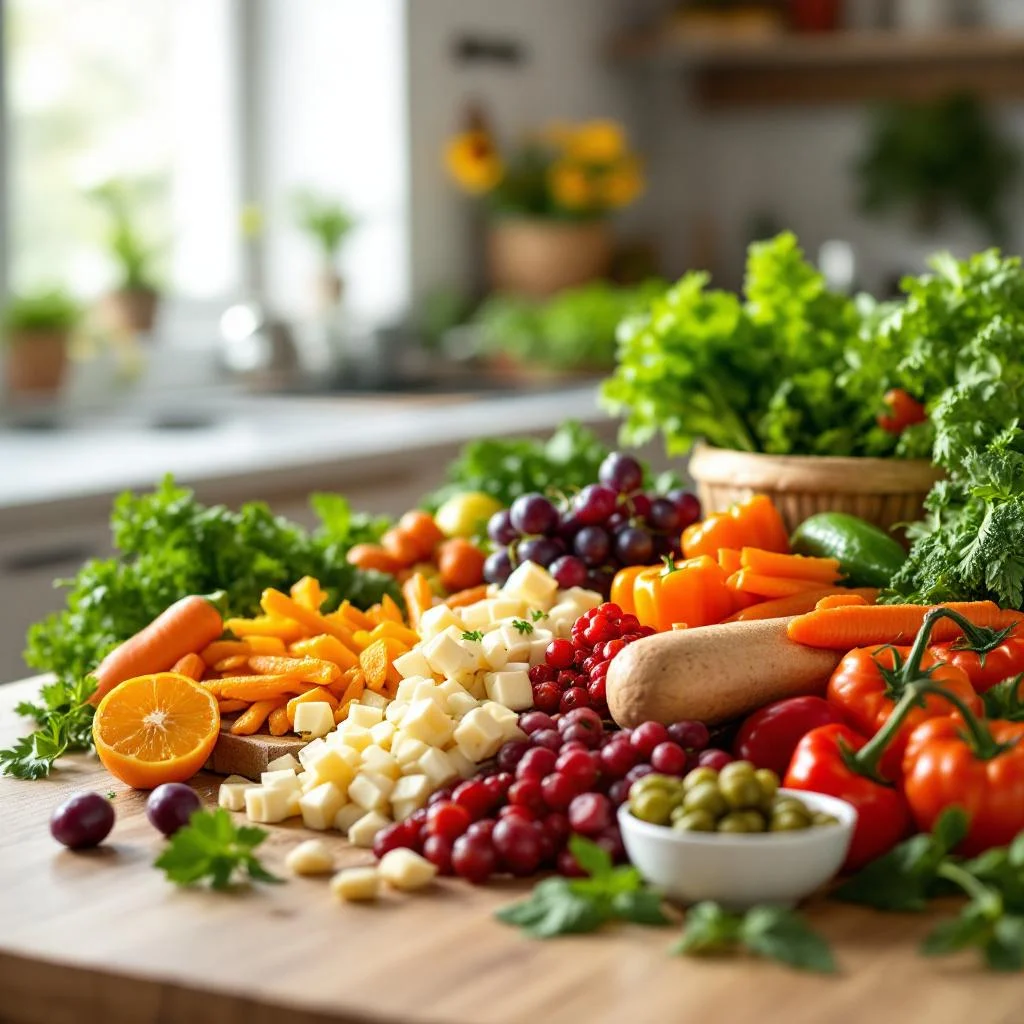
Simple, repeatable recipes are your allies. Think: chicken that does double duty, veggies that appear both as sides and in stir-fries. Don’t forget to vary colors and textures for a meal that’s as pleasing to look at as it is to eat.
List, shop, and adapt.
Figure out what you’ll make versus what you’ll buy ready-made. Convenience isn’t cheating—grab a rotisserie chicken or pre-chopped veggies if they’ll save you time without sacrificing quality. Just be wary of pre-portioned snacks; making your own portions saves money and waste.
Enjoy the process.
Queue up music or a podcast. Wash, chop, cook. Once cooled, pack up your meals. Most dishes keep well for three or four days, but if you overshoot, toss extras in the freezer for future emergencies.
Keeping it fresh—no boredom required
Worried you’ll tire of the same old thing? Don’t. Rotate different proteins and sides. Try weekly themes: “Meatless Monday,” “Taco Tuesday,” or “Friday Brunch-for-Dinner.” Keep a running list or Pinterest board of recipes that catch your eye, so you’re never scrambling for ideas when shopping.
Crucially, pick foods you genuinely enjoy. Don’t let meal prepping turn into a parade of dutiful but depressing dishes. Slip in a square of chocolate, a favorite dip, or a handful of berries if that’s what you like. Flexibility keeps it fun—and sustainable.
Remember, no one’s judging your method. You don’t need to be perfect. Even prepping a couple of meals ahead is a step toward a calmer, healthier week. Mix, match, and experiment until you find your groove. A little planning now, a lot of ease later—that’s really what healthy meal prep is all about.