Eating for Your Gut

Overview
Problems with digestion are far more common than we’d like to admit. A restless, gassy stomach, persistent heartburn, that heavy, bloated discomfort, or the slow drag of constipation can all chip away at anyone’s sense of well-being. The reasons behind an upset digestive system are varied—age plays its part, as do underlying health issues, and daily habits that often escape notice. But among all the factors, what you eat may have the most direct and powerful impact of all.
Eating with your gut in mind isn’t some passing trend—it’s a daily choice that quietly shapes your body’s inner ecosystem. Picture your digestive tract not as a simple pipe, but as a living, breathing organ, home to trillions of bacteria. When you reach for better foods, you aren’t just filling your stomach—you’re tending to a vibrant microscopic garden that influences how you feel, extract energy, and even fight off disease.
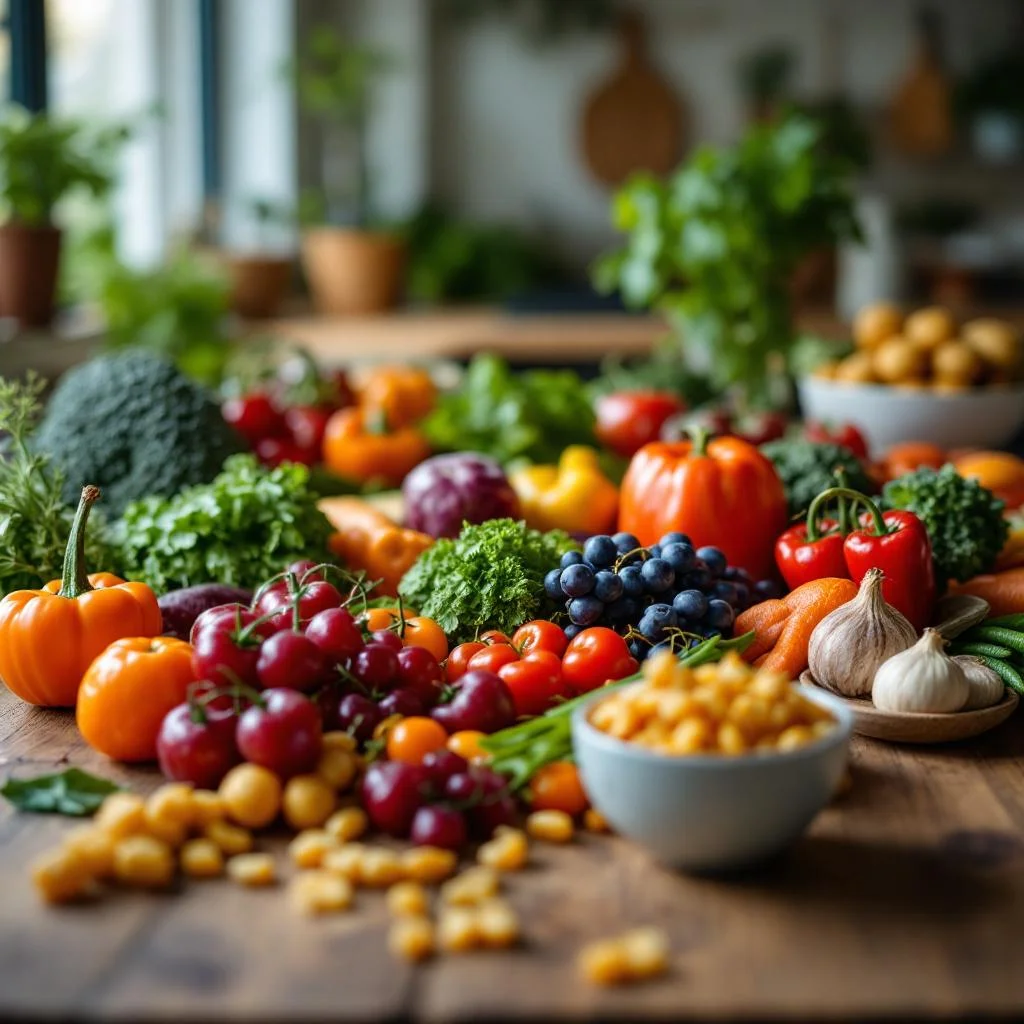
That’s why building your diet around whole, fresh foods is essential. Fruits and vegetables, in their crisp, rainbow-hued glory, are full of fiber—the single most vital nutrient for nurturing the “good” gut bacteria. These fibers, especially those found in berries, leafy greens, beans, and apples, aren’t broken down by the body directly. Instead, they travel down to the gut, feeding the friendly microorganisms that keep the harmony and protect you from discomfort and disease.
In contrast, processed foods—easily grabbed, but often lacking substance—tend to contain a complicated cocktail of added sugar, salt, and unhealthy fats. To make matters worse, in the rush from factory to shelf, these products often lose most of their original nutritional value. What arrives on your plate may fill you up, but it won’t do your digestive system any favors. Over time, a diet heavy in processed foods can disrupt the balance in your gut, making problems more likely.
If persistent symptoms haunt you—pain, ongoing bloating, constipation, or anything that feels off—it’s wise to consult a healthcare provider. A professional can help you untangle what your gut is trying to say, and offer advice tailored to your history, health, and needs.
Wellness and Prevention
But what should you actually eat for a happier gut? Start with these five food groups—they’re the building blocks of healthy digestion:
- Colorful Vegetables and Fruits: These bring fiber, water, and a spectrum of antioxidants. Try to get a variety—deep greens, fiery oranges, deep purples. Fresh or gently steamed preserves nutrients and keeps the fiber intact.
- Whole Grains: Oats, brown rice, barley, or quinoa—all packed with fiber, vitamins, and minerals. Unlike their highly refined counterparts, these nourish both the body and the beneficial bacteria in your gut.
- Fermented Foods: Think yogurt with live cultures, kefir, sauerkraut, kimchi, and miso. These foods brim with probiotics, the “good” bacteria that help reinforce your intestinal barrier and crowd out harmful invaders.
- Lean Proteins: Beans, lentils, fish, and moderate portions of poultry give your body the protein it needs, without the excess saturated fat that can upset your digestive balance.
- Healthy Fats: Add small doses of olive oil, avocados, nuts, and seeds. These provide essential fatty acids and help keep the digestive tract moving smoothly.
You may have heard that probiotics can offer more than just digestive benefits—they may even have the ability to influence your mood. Emerging research supports the idea that the gut and brain are closely intertwined, communicating through a pathway known as the gut-brain axis. Keeping your gut healthy could mean not only calmer digestion but, perhaps, a brighter outlook as well.
In the end, eating for your gut means making consistent, mindful choices. It’s not about a quick fix or a single “superfood.” It’s an invitation to listen to your body, to nurture it daily with foods that fortify rather than deplete, and to pay attention when it sends you signals that something’s amiss. Treat your gut as the remarkable, intelligent organ it is—support it, and in turn, it will do the same for you.