Finding Calm When Life Gets Loud
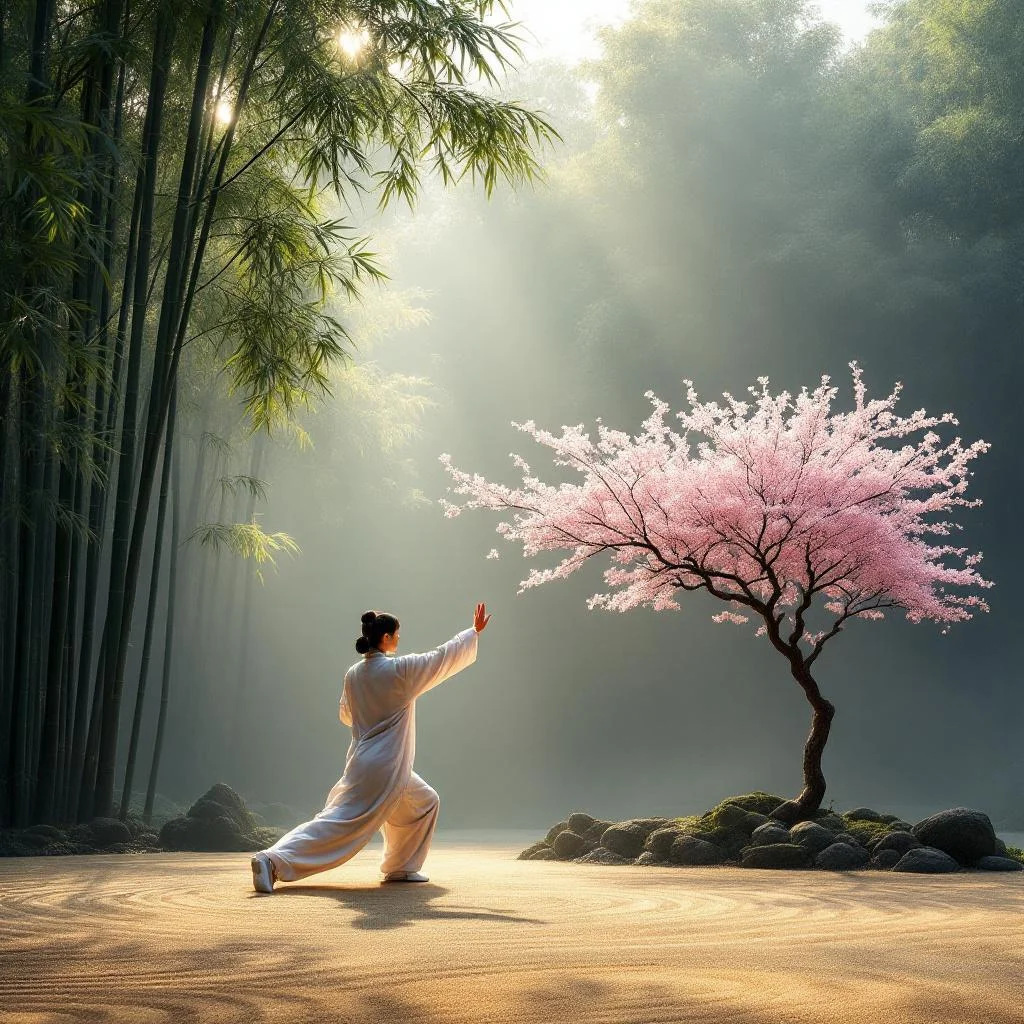
Stress seeps in quietly. Sometimes it bares its teeth at the office, other times it lurks in the corners of your own living room. You might suddenly feel a tightness in your chest, a heaviness behind your eyes, or the low buzz of thoughts that just won’t quiet down. In those moments, finding relief can feel like searching for a light switch in the dark. Yet, the human mind and body house a remarkable gift: the ability to conjure what’s called the relaxation response—a natural counterweight to tension, just waiting for your invitation.
Forget sterile advice; this isn’t about just “taking a deep breath and moving on.” The relaxation response reaches deeper: it steadies the heart, loosens the jaw, smooths knotted muscles, and nudges your thoughts back from the cliff’s edge. When you learn to harness it, your mood brightens; even during turbulent days, a small sense of peace sneaks in. So, what does this actually look like in a messy, unpredictable real life?
Breathwork: Simplicity Hiding in Plain Sight
Let’s start at the very beginning: the breath. So easy to ignore, yet so powerful once noticed. You don’t need incense or silence—just a willingness to pause. Try this: sit comfortably, eyes open or closed. Inhale slowly through your nose until your lungs fill. Hold for a count of two. Release the air gently, longer than you inhaled, as if letting go of a burden. Do this a handful of times, imagining your cares drifting away like fog at sunrise. What begins as a small break grows into a pattern—one you can return to on the bus, in a meeting, or under the weight of an ordinary evening.
Muscle Release: Listening to the Body’s Whispered Signals
Sometimes tension pools in the body so surreptitiously you barely notice it. Progressive muscle relaxation is a way of responding—not with force, but with quiet attention. Start at your toes, tensing the muscles, holding for a moment, then letting go. Move up: calves, thighs, stomach, hands, jaw. With each release, notice the difference—a subtle wave of ease. It’s not flashy, but it’s real, and you’ll find pockets of calm returning to places they deserted.
Mind as Haven: Visualization and Guided Imagery
If your inner world is a storm, imagine stepping somewhere else. Picture a sunlit meadow, the tang of sea breezes, or the hush of a nighttime forest. Guided imagery isn’t about daydreaming away problems—it’s about showing your nervous system what safety feels like. There are audio guides out there, gentle voices walking you through landscapes of stillness, but even a few quiet minutes on your own can reset your mind’s weather.
Movement That Nourishes, Not Depletes
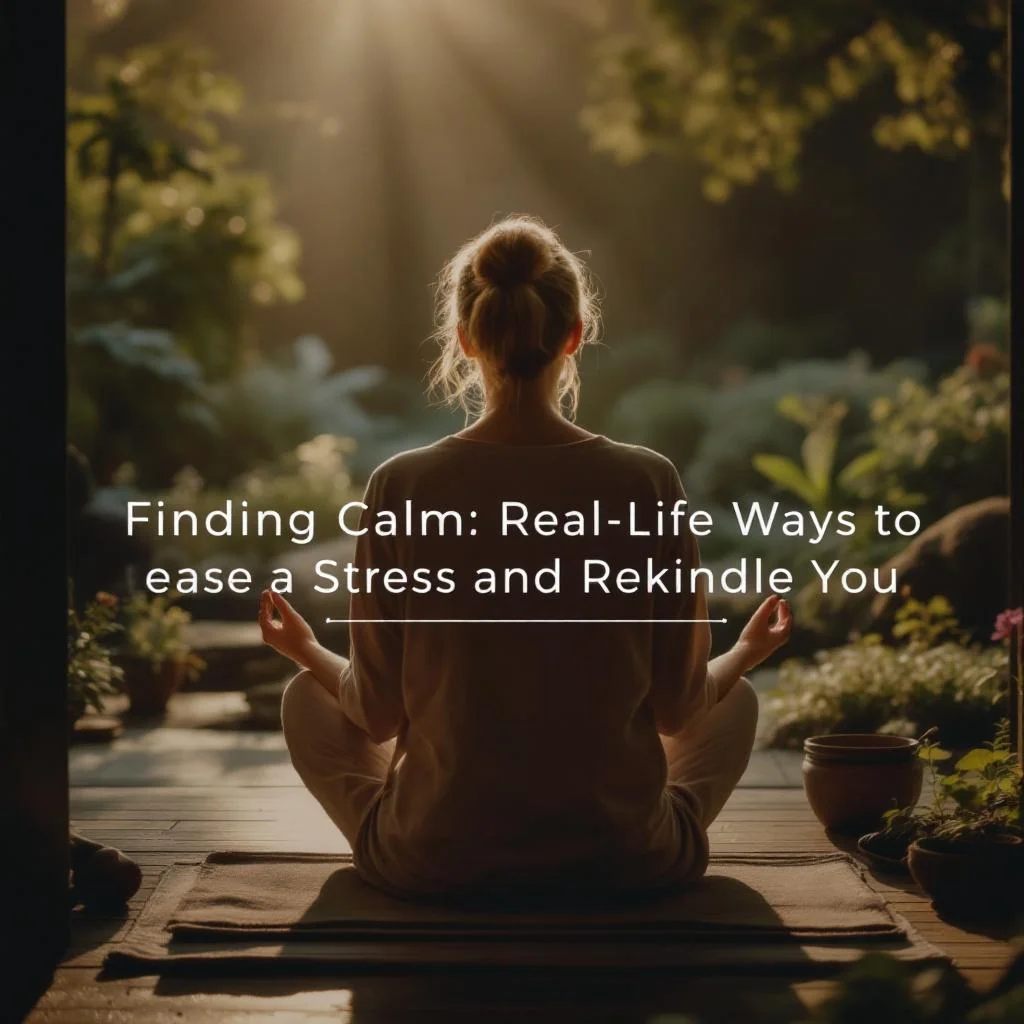
You don’t have to twist into impossible shapes to reset your balance. Yoga, stretching, or simply swaying to music in your kitchen can coax the body toward calm. These movements aren’t exercise for appearance’s sake—they’re invitations for your breath and mind to fall in step with your body. Often, your mind softens when your limbs do.
Mindfulness: The Practice of Coming Home
Stress often drags you everywhere except here—back to regret, forward to worry. Mindfulness brings you back. It’s simple, but not always easy: noticing your senses, your breath, the ground underfoot. You can try short meditations, or just pause to notice a fleck of color or the warmth of a cup in your hand. Each moment of presence gently unclenches your mind.
One Size Doesn’t Fit All
If one approach doesn’t speak to you, that’s fine. There’s no single “right” way—you might find ease in a walk around the block, a poem, or a chat with a friend who listens without judgment. The key is permission—to rest, unravel, and let the world’s noise seep out, if only for a span of minutes.
The Real Power: Beginning Again
Don’t expect harsh edges to soften overnight. The relaxation response is a practice, not a miracle. But regularly inviting stillness—sometimes out of desperation, sometimes out of hope—trains your system to remember peace. Your energy steadies, moods brighten, and challenges seem less impossible. In every day, no matter how tumultuous, you have permission to start over. Sometimes all it takes is one mindful breath, and the smallest shift toward calm becomes a lifeline.
Remember: your well-being deserves attention. Stress is stubborn, but relief is within reach—quiet, real, and waiting for a little space to unfold.