Meditation for Beginners: 20 Steps

Of every habit I’ve picked up over the past decade, none has mattered more than meditation. Nothing else comes close. It’s the small, daily ritual that quietly rewired my mind and, bit by bit, changed how I live and who I am.
Meditation didn’t make me perfect. Far from it. But it has made me more calm, more attentive, more able to sit with pain or restlessness without immediately craving escape. I notice the subtler joys of life—a shaft of sunlight, a friend’s laugh, even the soft hum of my mind’s inner workings. Most importantly, I now see my thoughts for what they are: passing events, not commands I must obey.
Before meditation, my mind was a noisy machine grinding away in the background. I didn’t question it. I was pulled along by fleeting desires, worries, old stories. I’d react on autopilot. These days, not much about life got simpler, but I started to notice. I’d catch myself feeling anxious or irritable and think: Oh, I see you. Sometimes, I can let the moment pass without getting hooked. Sometimes not. But the freedom lies in the pause—a brief breath of choice.
So yes, I encourage anyone to give meditation a shot. You don’t need to be spiritual or bendy or aim for levitation. You don’t even have to be good at it (pro tip: no one is good at it, not at first). Here’s how I’d suggest diving in, with twenty steps to ground you. They aren’t magic formulas—just entry points. Don’t feel obligated to do all of them at once. Pick the ones that fit, and revisit the rest when you’re ready.
Start very small. Two minutes. That’s it, at first. Set a timer. Meditate each day for a week. If it feels okay, add two minutes the next week. Bit by bit, you might reach ten minutes a day.
Make it the day’s first ritual. It’s easy to say, “I’ll meditate later.” But mornings have a stillness of their own. Try meditating right after you wake up. A sticky note on your pillow can help.
Don’t obsess over how you sit. Forget fancy cushions and postures—for now. Sit in a chair, a couch, your bed. Legs crossed or not, it doesn’t matter. Just make sure you’re comfortable.
Notice how you feel. Before you get lost in breath-counting, just check in. Is your body tense? Is your mind racing? Tired? Notice it all. No judgment.
Count your breathing. Focus on the sensation of the air moving in and out. Count one for each inhale, two for each exhale, up to ten. Then start over.
Gently return when you drift. Your mind will wander. Guaranteed. When you notice, just return to your breath. No drama. Begin the count again, and remember—losing focus is part of the practice.
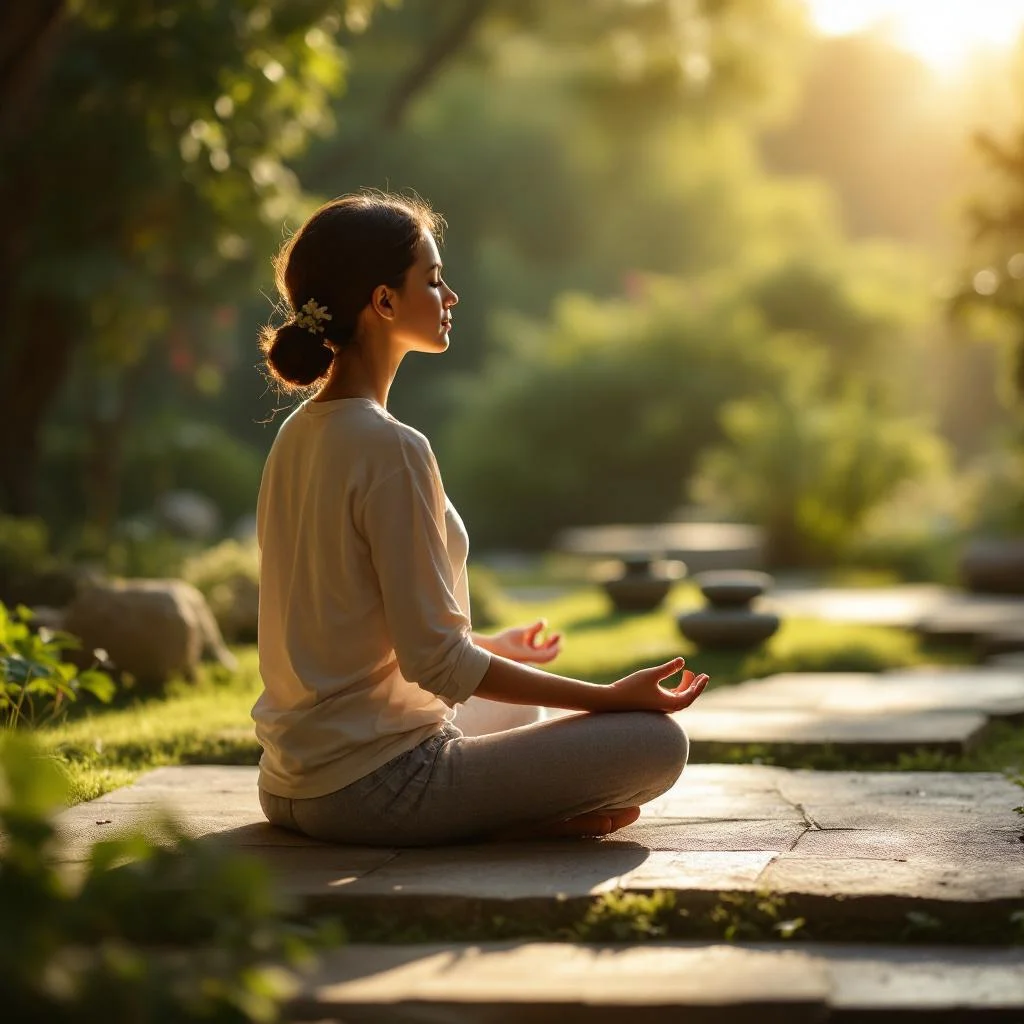
Be kind to your thoughts. Thoughts and feelings aren’t enemies. Welcome them. Watch them come and go with gentle curiosity.
Drop the “right way” worry. You’ll wonder if you’re doing it wrong. That’s fine. There is no perfect technique. If you’re showing up, you’re doing enough.
Don’t force your mind “blank.” Meditation isn’t about emptying your head. Thoughts will appear. Let them. Your job is just to keep noticing.
Stay a moment with tough emotions. After a week or so, you might experiment. When anxiety or frustration rises, linger with the feeling. Let it be. What does it feel like in your body? Don’t rush away.
Get curious about your own patterns. Reactions, distractions, and judgments—they’ll all surface. This is how you learn what makes your mind tick.
Treat yourself as a friend. Learn about your inner world with kindness, not critique. Smile, even if you’re frustrated.
Try a body scan. Shine the flashlight of attention, bit by bit, from the soles of your feet upward. Notice sensations as you go.
Listen to the room. When you’re ready, pay attention to light, sounds, even the energy in your space.
Make a real commitment. Don’t dabble. Decide, for a month, that you’ll sit every day.
Meditate wherever you are. Miss your morning? Try in a park, at your desk, on a walk. Presence isn’t bound to place.
Use guided meditations. Recordings and apps can anchor you, especially when discipline wavers.
Check in with others. Find a friend or loved one who wants to build this habit, too. Share progress. Compare notes.
Join a community. Local or virtual groups make it easier to stick with your practice—and remind you that you’re not alone.
End with gratitude. When your timer goes off, smile. Beam yourself a little warmth. You showed up. That counts for a lot.
Meditation isn’t always bliss. It isn’t always easy. But with time, the benefits seep slowly into every fiber of daily life—a thread of self-awareness, patience, and, sometimes, unexpected joy. If you begin, start gently. The two minutes you spend meeting yourself may be the most honest in your whole day.