Nudge Your Family Toward Healthier Meals
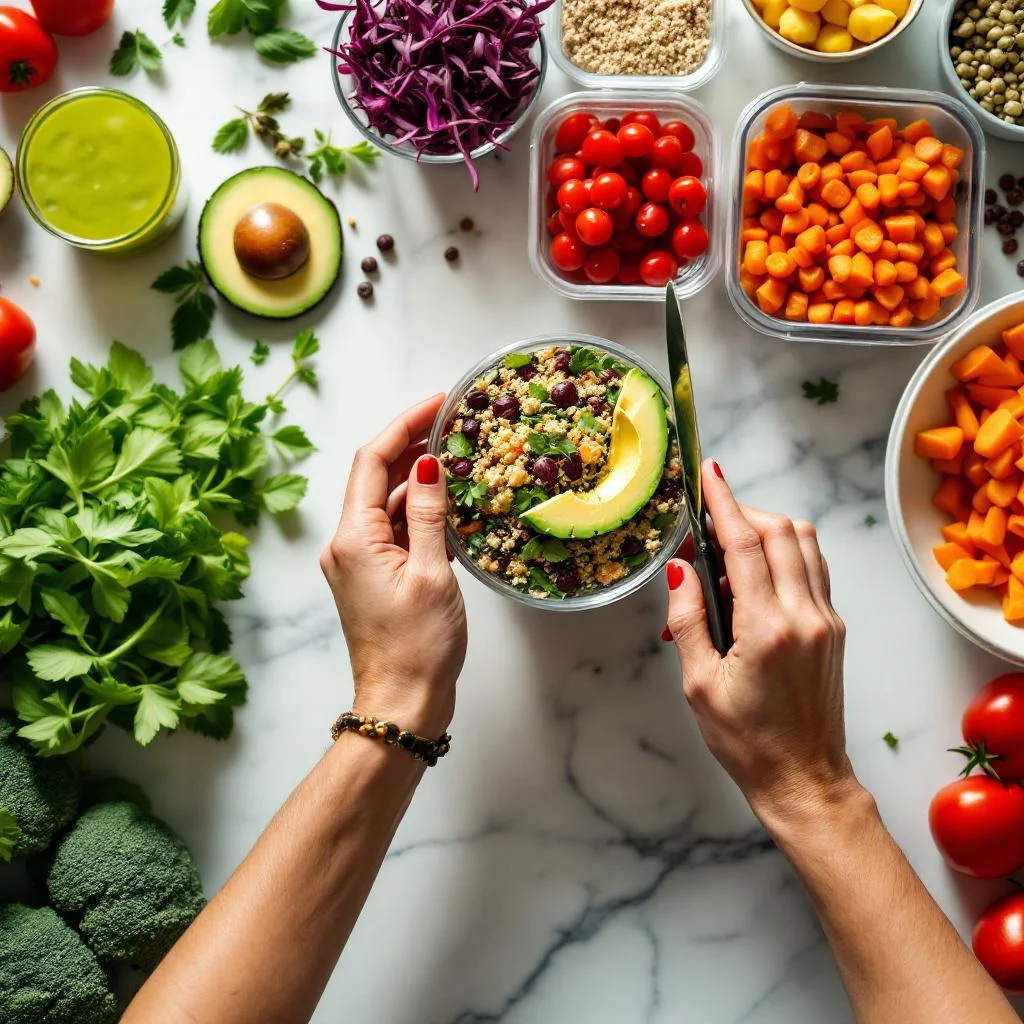
Staying healthy doesn’t demand grand gestures or a complete culinary overhaul. Sometimes, the smallest shifts in what you put on your fork—or in your mug—can quietly steer the well-being of your whole household in the right direction. At its heart, eating well is less about relentless denial and more about building sensible habits that actually stick.
Why bother? Because fueling your body properly pays off. A balanced approach to food lowers your odds of heart disease, stroke, and a parade of other health issues most of us would rather skip. The best part: you don’t need to consult a gourmet chef, empty your wallet at specialty stores, or bid farewell to the dishes that bring you comfort. Most healthy choices hide in plain sight—and can be affordable, lively, and genuinely tasty.
Let’s break it down into practical steps. Here’s how you can nudge your daily meals—and your family’s habits—in a better direction, one plate at a time.
Picture your plate. Now, mentally fill half of it with fruits and vegetables—vibrant, crunchy, tangy, or sweet, they bring a parade of vitamins and minerals without fuss. Whether you fold spinach into an omelet or serve sliced apples on the side, these generous foods can sneak into almost any dish. Swap the fries and chips for roasted carrots or a crisp salad; your heart will thank you later.
Whole Grains: The Underestimated Hero
Rice that’s nutty and brown, oats that soften into comfort, even corn tortillas—these grains may not shout for attention, but they quietly deliver, packing in fiber that’s good for digestion and cholesterol. Just reach for options without added salt or sweeteners to keep it honest.
Plant Proteins and Legume Power
Beans don’t get enough love. Yet a scoop of kidney beans, a handful of lentils, or a swirl of tofu can transform your meal—upping the protein, deepening the flavor, and keeping you fuller, longer. They’re gentle on your heart and waistline, and—bonus—you can often buy them cheaply in bulk.
Nuts, Noteworthy and Nutrient-Dense
A small handful of unsalted almonds, walnuts, or hazelnuts gives you healthy fats and crucial nutrients. Plus, they carry crunch, richness, and a sense of treat—no sugar or processing required.
Fish and the Magic of Omega-3s
Think salmon, mackerel, and trout—these fish are the true superstars for heart and brain health. Grill them or roast them without a heavy blanket of breadcrumbs or oil. Even two servings a week can make a noticeable difference, especially if you’re swapping out red or processed meats.

Lean Meats and Smarter Choices
If meat is on the menu, look for lean cuts: chicken breast without the skin, pork loin, or trimmed beef. A little care in preparation—trimming visible fat, skipping breading—can add up over time.
Dairy: Classic or Plant-Based
A cup of low-fat yogurt, a slice of cheese, a glass of fortified soy milk—all deliver protein, calcium, and vitamin D. If you’re reaching for a plant-based alternative, check the label for added calcium and vitamins A and D.
Choose Fats Wisely
Not all fats are villains. Olive oil or canola, for instance, can nudge your cholesterol in the right direction when they stand in for butter or coconut oil. Keep an eye on the ingredients and lean toward oils that stay liquid at room temperature.
Flavor with Intention
Salt isn’t the only way to wake up a dish. Herbs—fresh cilantro, dried oregano, a sprinkle of garlic—bring life to your food and support healthy hearts. Often, your taste buds adjust sooner than you expect.
Consider What to Cut Back
Some foods call for restraint. Red meats, especially fatty or processed ones, are better enjoyed in moderation, if at all. Highly refined grains and sugary snacks? Try to make them occasional guests, not daily staples. The same goes for tropical oils—leave them for special recipes, not everyday sautés.
Mindful Eating, Every Day
Even good-for-you foods can become too much. Portion sizes matter—restaurants tend to overserve, so listen to your own hunger. Cooking at home lets you control what goes in the pot as well as what ends up in your body. Get familiar with nutrition labels; compare brands and look for less sodium, saturated fat, and added sugars. Trans fats? Avoid them whenever you can.
Practical Guides for Real Life
If you’re looking for more ideas, try keeping a food diary for a week—seeing a list of your choices can reveal surprising trends. Experiment with new whole grains. Redefine what “family dinner” means; it doesn’t have to be fancy to be nourishing. And if someone at the table is picky, take it slow—taste evolves with time.
In the end, healthy eating isn’t a single leap, but a series of steps. The more you build it into your daily rhythm, the easier and more enjoyable it becomes—for you, and everyone you feed.