Nutritious Breakfasts for Energy and Vitality

There’s no single recipe for the perfect morning meal, but a truly satisfying breakfast usually checks a few essential boxes: it delivers a balance of protein, fiber, healthy fats, and a spectrum of vitamins and minerals. These components do more than just fill your stomach—they steady your energy, tame mid-morning cravings, and set a positive tone for the hours ahead.
Forget the ultra-sweet boxed cereals and highly processed muffins. Some of the simplest, most nourishing choices are made from whole ingredients. Eggs, Greek yogurt, oats, berries, chia seeds, cottage cheese, whole grain breads—and nuts—bring both flavor and sustenance to the table.
Ready to upgrade your mornings? Here’s a closer look at standout foods and drinks to try for a better, more satisfying breakfast routine.
Eggs
Eggs are small but mighty: their protein content makes them a hunger-buster, and studies show that eating eggs for breakfast promotes a sense of fullness that lingers well into lunchtime. One particular study compared eggs and toast to bran cereal with milk and juice and found the egg group reported far less hunger throughout the day. Their lunch calorie intake dipped too—proof that quality protein first thing may help you eat less later.
Worried about cholesterol? Research now suggests that, for most people, eggs don’t significantly raise cholesterol levels—some findings even hint at a slight heart-protective effect. Try pairing eggs with whole grain toast, crisp vegetables, or a side of fruit for a balanced start.
Greek Yogurt
Picture thick, creamy yogurt strained of extra liquid—that’s Greek yogurt in essence, and it comes loaded with protein without unnecessary calories. Just shy of 100 calories per serving brings you roughly 15 grams of high-quality protein, and certain brands offer gut-friendly probiotics like Lactobacillus bulgaricus and Streptococcus thermophilus. Pro tip: Look for “live and active cultures” on the label.
The possibilities for customizing Greek yogurt are endless. Swirl in fresh berries for extra antioxidants, or top with crunchy nuts, dried fruit, or old-fashioned oats for a dose of fiber and texture. If you’re in the mood for something even silkier, look for Icelandic skyr.
Coffee
For many, the day doesn’t truly begin without that first cup. Coffee’s caffeine fires up alertness and can give both mental and physical performance a gentle nudge. It’s also a source of polyphenols, those antioxidants and anti-inflammatory compounds that quietly support long-term health.
Stick to moderate amounts—400 mg of caffeine per day is the general limit, and less if you’re pregnant. If you like it sweet, skip the flavored syrups when you can, or just use the lightest splash. Black coffee or a pour of milk—dairy or unsweetened plant-based—keeps things simple and wholesome.
Oats
Oats are a breakfast classic for good reason: their soluble fiber (beta-glucan) is known to help lower cholesterol and smooth out blood sugar spikes. Oats also digest slowly, so you’ll likely feel comfortably full and less tempted to reach for snacks before lunch.
A cup of dry oats offers around 10 grams of protein, especially if you make your porridge with milk. Customize your bowl with toppings like nuts, fruit, or even a scoop of protein powder for staying power. If you’re gluten-sensitive, be sure to buy certified gluten-free oats—they’re naturally safe, but sometimes contaminated if processed with wheat.
Chia Seeds
Tiny but powerful, chia seeds pack nearly 10 grams of fiber into a small 28-gram serving. This fiber swells in the gut, stretching out the time it takes to digest breakfast and leaving you feeling satisfied longer. Chia seeds alone aren’t protein powerhouses, but mixing them into Greek yogurt, cottage cheese, or a protein shake can elevate their nutritional punch.
Berries
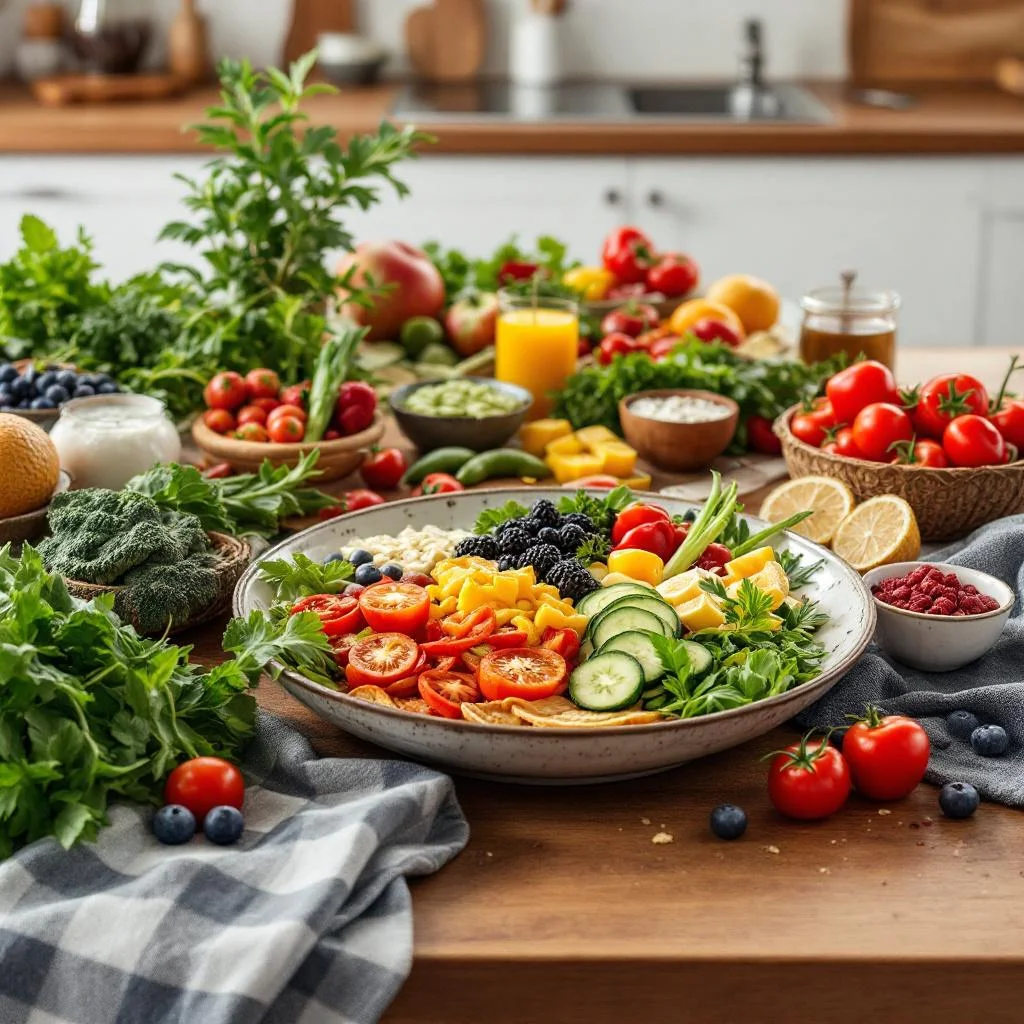
Sweet, jewel-toned berries—think strawberries, blueberries, raspberries—are low in calories but high in both antioxidants and fiber. Their colors come from anthocyanins, plant compounds linked to lower risks of chronic disease. Toss a handful into yogurt, oatmeal, or smoothies for a bright burst of flavor and health.
Cottage Cheese
Cottage cheese tends to fly under the radar, but it’s an impressive breakfast ally: one cup serves up 24 grams of protein and a texture that pairs well with both sweet and savory toppings. Select low-sodium varieties if you’re mindful of blood pressure, and try mixing cottage cheese with sliced fruit, nuts, or even avocado and tomatoes for something different.
Whole Grain Toast
Whole wheat or sprouted grain toast supplies long-lasting energy, thanks to its slow-digesting carbohydrates and extra fiber. It stands up well to all sorts of toppings: peanut butter and banana, cottage cheese with berries, or a poached egg. With sprouted bread, you get even more fiber and a pleasant, nutty flavor.
Nuts
A handful of nuts brings monounsaturated fats, protein, fiber, and minerals to the breakfast table. They’re filling, heart-friendly, and just plain tasty. To keep calories in check, measure out small portions and choose raw or dry-roasted varieties, sans added sugars or oils.
Green Tea
If coffee isn’t your style, consider green tea. With a modest caffeine kick and calming L-theanine, it offers a gentle alertness—minus the jittery edge. Green tea also features EGCG, a protective antioxidant associated with brain health and reduced cellular damage.
Protein Shakes & Smoothies
Press for time? A smoothie or protein shake can be a nutrition-packed grab-and-go option. Blend up your favorite fruit, a handful of spinach or kale, milk or a non-dairy alternative, and—if aiming for extra satiety—a scoop of protein powder. The result: portable energy, balanced nutrients, and endless variety.
Fruit
Whole fruits are an elegant, easy breakfast—ready to eat and packed with water, fiber, and a parade of vitamins and plant compounds. Apples, oranges, guavas, plums, and more—every color brings its own unique blend of antioxidants. When possible, favor whole fruits over juices: you’ll get more fiber, fewer added sugars, and steadier blood sugar.
What Should You Avoid?
Steer clear of breakfast foods long on sugar or refined flour—most processed cereals, pastries, and white bread taste sweet but rarely leave you full. Processed meats like bacon and sausage are heavy on sodium and saturated fat; best reserved for the occasional treat. Commercial juices may seem wholesome, yet they usually contain as much sugar as soda. Instead, enjoy a bite of real fruit.
In Closing
A thoughtfully chosen breakfast doesn’t just hold off hunger; it lays the foundation for a day of steady energy and smart nourishment. Keep things simple: pick fiber- and protein-rich foods, choose healthy fats, and aim for a rainbow of nutrients. Whether it’s toast with nut butter, eggs and vegetables, or a bowl of yogurt and berries, build a plate that leaves you satisfied, not sluggish. And if your morning is rushed? Grab an apple, a sachet of nuts, or plan overnight oats the night before—you’ll thank yourself through lunchtime and beyond.