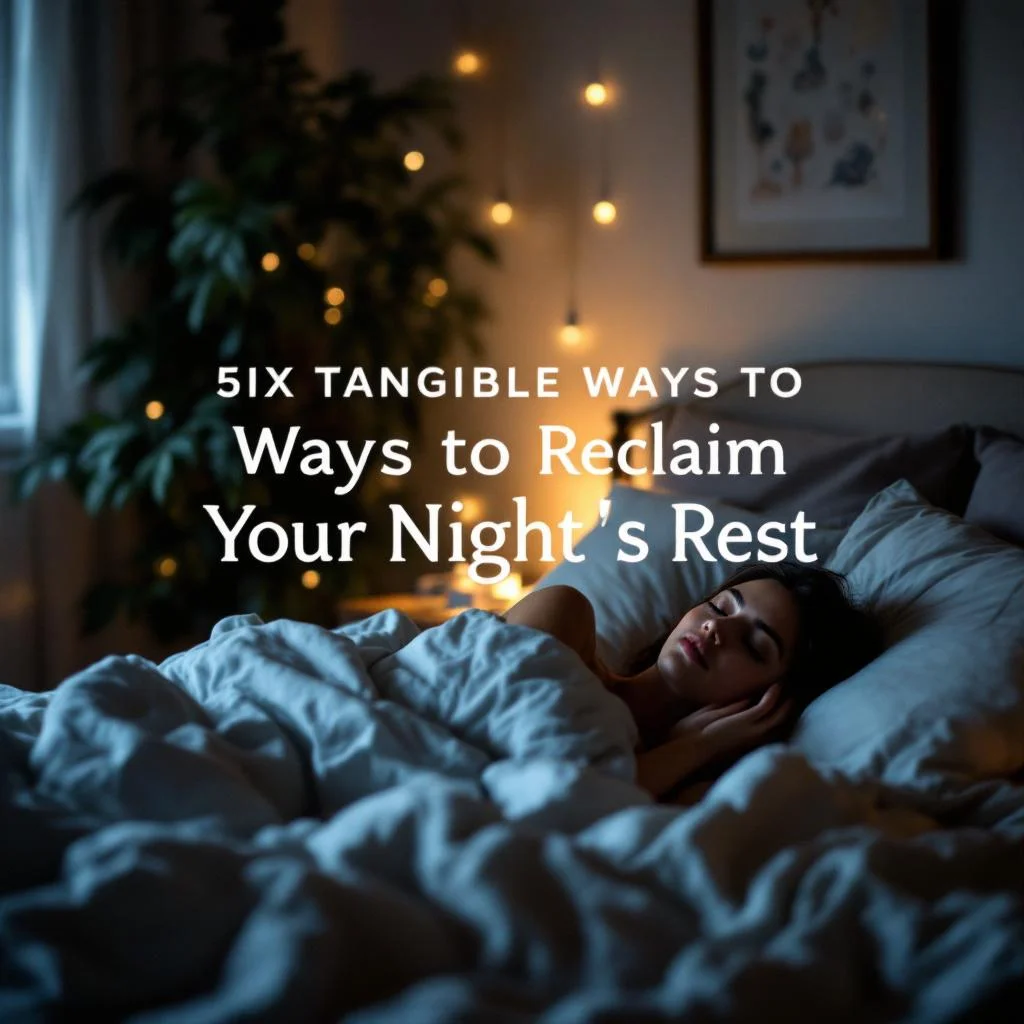
Six Tangible Ways to Reclaim Your Night’s Rest

Life rarely grants us the peace and quiet needed for effortless sleep. Deadlines crowd the mind. The stress of family, the unpredictability of health—these shadows often tumble into bed beside us. No surprise, then, that so many find restful nights slipping through their fingers.
Yet, while we can’t always dictate what life hurls our way, we can shape the rituals that surround our sleep. Good rest isn’t luck; most often, it’s habit. Below are steps—simple, real, and achievable—that invite true rest back into your life.
Make Your Sleep Routine Unbreakable
Devote a block of seven to eight hours for sleep. Genuine rest won’t come from lingering endlessly in bed, nor does it favor the one who skimps on shuteye. Try to climb beneath the covers, and to rise, at the same hour each day—yes, even on weekends or those holiday mornings when the world is quiet. Regularity is your secret weapon. It teaches your body when to sleep and when to greet the dawn.
If you catch yourself tossing for twenty minutes with your eyes wide and thoughts racing, don’t force it. Step out. Pick up a gently worn book, listen to rain sounds, or sip warm tea—something soothing and quiet. Return to bed only when sleep feels possible again, but let the pattern remain—bedtime and wake time must hold steady.
Mind What You Eat and Drink Before Bed
Going to sleep hungry is a misery. Going to sleep stuffed just as much. And heavy, late meals will keep your body busy when it should be winding down. As dusk approaches, steer clear of feasts and, more importantly, watch out for caffeine and nicotine—a double punch that can keep you awake longer than you care to admit. Even alcohol, which might slow your mind at first, often yanks you from deep sleep later in the night.
Turn Your Bedroom Into a Sanctuary
Your room should be a haven: hush, cool, and dark. Light tricks your brain into staying alert. Too much screen time—TVs, phones, tablets—right before bed sabotages all that hard work. Use blackout curtains. Lean on earplugs or a humming fan if you must. Customize your space until it feels like a retreat from every bright, noisy demand.
Create a gentle, unwinding ritual as the evening comes on—a warm bath, slow breathing, a whispered meditation. Small, repeated acts can train both body and mind that it’s time for sleep.
Be Cautious With Daytime Naps
Napping can be a life-saver or a curse. Long stretches on the couch late in the day can wreck your chances of sleeping at night. If you can’t resist, keep naps brief: no more than an hour, and never late in the evening. There are exceptions—if your life requires nocturnal work, a nap before your shift may be your only defense.
Move—Just Not Before Bedtime
Exercise can gently tug you toward deeper, more satisfying sleep, but timing matters. Save the intense activity for earlier in the day. And don’t underestimate the power of sunshine and fresh air—a daily walk, even on cloudy days, tells your system that you’re alive, awake, and ready to rest at night.
Tie Up Your Worries Before Turning In
Anxieties grow fangs in the dark. Before you reach for the light switch, take a moment to write down what’s biting at your peace. The list will still be there for tomorrow; tonight, allow it to rest. Organizing your days, prioritizing what truly matters, finding ways to delegate—these small acts stack up to ease your mind. Many discover that only after a stretch of simple meditation does true quiet finally descend.
When Sleeplessness Persists
One restless night is probably nothing. But when sleeplessness becomes a companion night after night, there’s no shame in seeking help. A physician can help unravel the deeper threads that bind you to insomnia—whether physical, emotional, or both.
As Dr. Virend Somers, a heart specialist with a lifelong fascination for sleep, says: “Quality sleep is the foundation for everything—heart, mind, body.” Ignore it, and risk more than fatigue: the specters of heart disease, weight gain, depression, and even memory loss tiptoe closer. Stone-faced screens, glowing late-night, do us no favors. The bedroom is for sleep and intimacy; banish everything else.
Let your nights be quiet. Let your days be better for it. Good sleep, after all, is the simplest gift you can give yourself—the foundation of a longer, healthier life.