The Subtle Power of a Plant-Focused Diet
by Gina Van Thomme & Heather Alexander (rewritten)
—
If you pause for a moment and listen to the swirl of health advice around you—quick fixes, miracle ingredients, “one true way” diets—it’s striking how one bit of wisdom persists year after year. It’s simple, almost old-fashioned: eat more plants.
But what does “going plant-based” honestly mean? Forget the labels, the rigid rules, the notion that you must abandon every animal product overnight. Adopting a plant-based approach is less about swearing off eggs or grilled chicken forever, and more about intentionally making room on your plate for the foods that grow from soil and sun: grains, beans, crunchy greens, tree-ripened fruit, nuts that rattle in their shells. It’s about volume—piling the bounty of the earth high, so that vegetables and whole foods crowd out the rest.
Andrea Murray, a health educator at MD Anderson, has a down-to-earth way of putting it: “You don’t need a grand title for your eating style. Focus on filling your life with as many plant foods as you can. That’s what really counts.”
Why shift your diet toward plants? Because your body recognizes these foods—and thanks you, quietly, each day.
A Boost for Your Immune Defenses
Plants are little powerhouses of nourishment. They’re packed with vitamins and minerals your body can’t manufacture or borrow from cheese pizza. Phytochemicals and antioxidants—names you may only half-remember from science class—are working behind the scenes, repairing cells, keeping you fortified against illness.
“Plants help your body battle infections,” Murray says. When you eat mostly plant foods, your immune system gets a better shot at blocking germs and catching dangerous cell changes early. Even cancer has a harder time taking hold in a well-defended body.
Plants as Soothers of Inflammation
If you’ve ever felt heavy, achy, inexplicably tired after a greasy meal, inflammation might be the culprit. Over months and years, persistent inflammation can leave real scars inside—raising risks for cancer, arthritis, even diabetes. Plant foods, though, cut through this process. Their antioxidants roam through you, calming the internal fires that junk food or pollution might ignite.
Murray explains it simply: “You feel more awake, more alive after a plant-strong meal, because you’re not weighed down by all that inflammation.”
Finding Healthy Weight Without Obsession
But eating more plants naturally fills you up with wholesome calories, not empty ones. You find yourself eating less processed food because fibrous veggies and grains are more satisfying—your hunger, steadily satisfied, lets you move on.
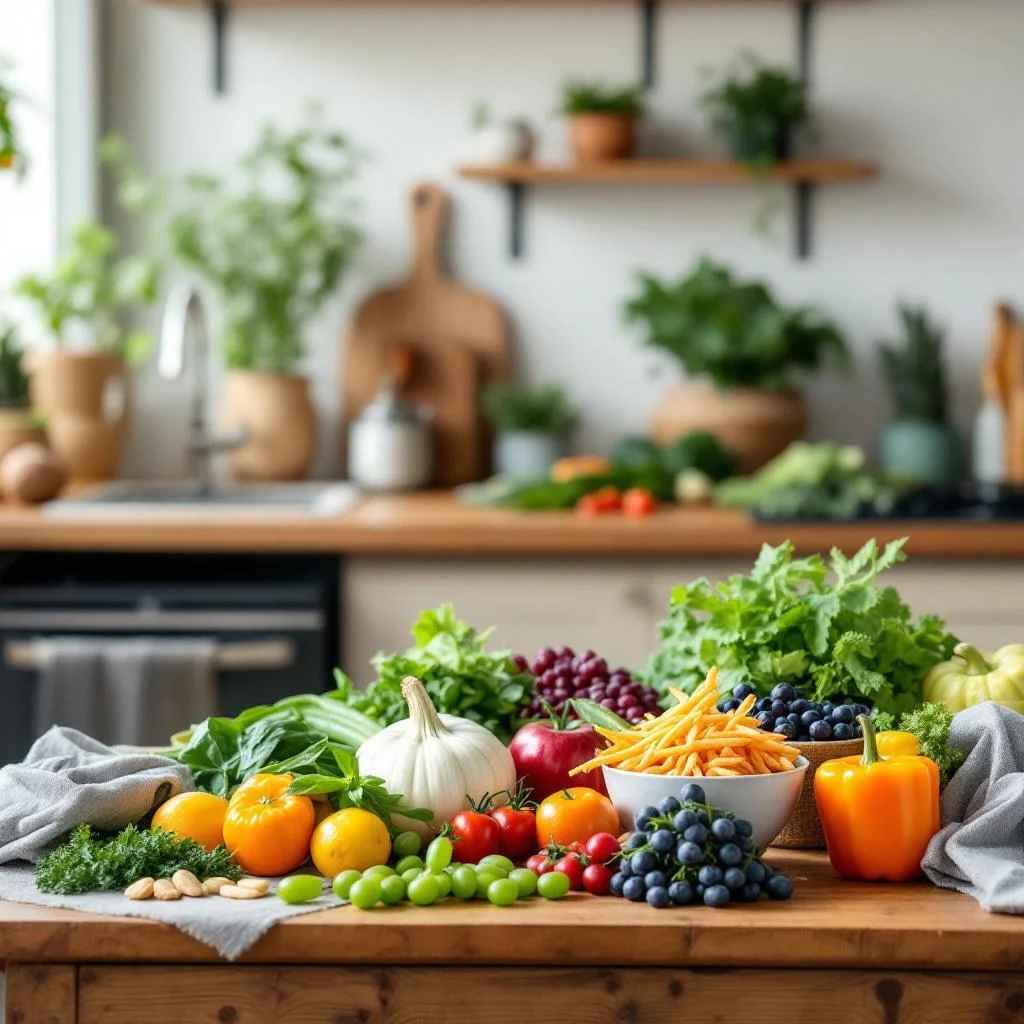
“When you swap in plant-based meals, you tend to eat fewer calories, get more fiber, and your body feels more right somehow,” Murray observes.
The Quiet Magic of Fiber
Fiber is the invisible scaffolding inside every plant—often overlooked, but quietly essential. A fiber-rich plate encourages a healthier gut, better absorption of nutrients, and steadier energy. It steadies blood sugar, tames cholesterol, and keeps your digestive system… well, regular. Most strikingly, high-fiber diets are linked to reduced risk for serious diseases, especially colorectal cancer.
Guarding Against Disease
No diet can promise a risk-free life. But a pattern emerges in the research: people who gravitate toward plant-based eating see lower rates of cancers, heart disease, and metabolic illnesses.
How to Move Toward Eating More Plants, One Small Step at a Time
Committing to an overhaul feels daunting. The good news? Gradual shifts work best. Try adding—rather than subtracting. Pair your favorite evening treat with half an apple. Slide an extra scoop of beans or greens onto your usual pasta. You don’t need to exile ranch dressing; a little dip is all you need for flavor.
A quick caution—don’t confuse “plant-based” with “healthy.” Potato chips might come from potatoes, but processing and additives strip nutrition away. Notice the labels. Factory snacks and store-bought cookies are dense with sugars, fat, and salt—your body keeps searching for real nutrients, and that’s how mindless snacking happens.
Murray advises: “If you stick to whole foods—brown rice over frosted flakes, whole-wheat bread instead of white—you’re naturally steering your meals toward health.” Check nutrition panels: aim for modest sugar and sodium. The magic is in what’s least tampered with.
If new habits leave you bloated (more fiber can do that at first), slow down. Add one serve of veggies a day each week, let your gut catch up. Cooking those veggies softens fiber, making it gentler on digestion.
Forget the pressure to go “100% organic” or spend hours chopping. Frozen, dried, or pre-cut veggies all count. Choose the options that work for your life—and don’t let perfect be the enemy of better.
The truth is, the best plant-based meal is the one you’ll actually eat. Give your body the benefits it quietly craves, and let the labels go. The reward is simple—a lighter, steadier, more resilient you.
For more guidance or support, consult with your healthcare team or visit MD Anderson online.